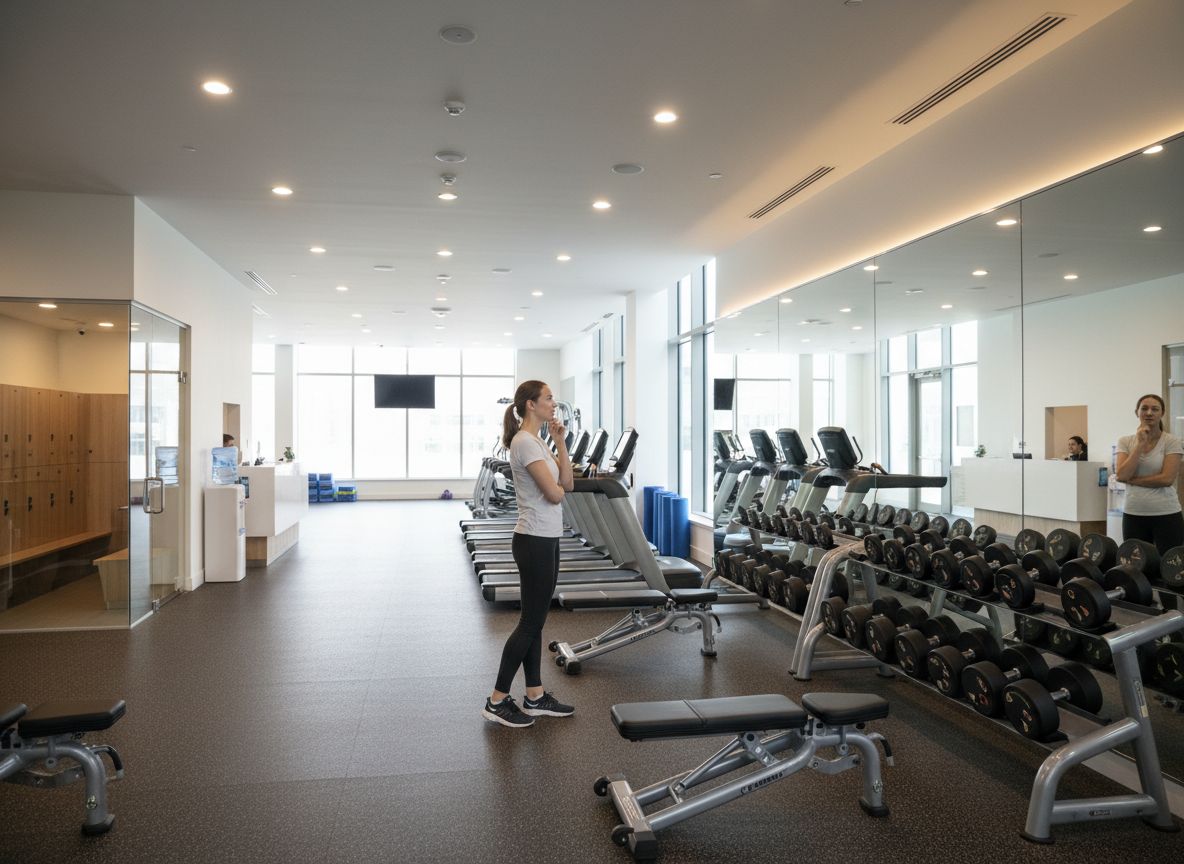
Choosing a gym can feel like navigating a maze, especially if you’re new to fitness or relocating to a different area in New Zealand. The sheer number of options — from budget-friendly 24/7 franchises to premium wellness hubs and boutique studios — can be overwhelming. But here’s the truth: the right gym isn’t just about proximity or price. It’s about finding a facility that aligns with your fitness goals, lifestyle, and personal preferences.
That’s where GymMe comes in. As New Zealand’s unified search platform, GymMe brings every gym and personal trainer across the country into one searchable location. Instead of spending hours visiting multiple websites, scrolling through social media pages, or relying solely on word of mouth, you can research, compare, and evaluate all your options in one place. Whether you’re a first-timer unsure where to start or an experienced gym-goer seeking a better-suited facility, GymMe simplifies the entire process so you can make a confident, informed decision.
Let’s walk through exactly what you should look for before signing on the dotted line.
Key Takeaways
Before diving into the details, here are the most critical factors to consider before joining a gym:
- Define your fitness goals and current fitness level before researching gyms to confirm the facility matches your needs.
- Compare membership structures, hidden costs, and cancellation policies to avoid financial surprises down the track.
- Visit potential gyms during peak hours to assess equipment availability, atmosphere, and crowding.
- Verify trainer qualifications (REPs registration) if seeking personal training support.
- Use GymMe to search, compare, and evaluate gyms and trainers across New Zealand in one place, saving time and reducing decision fatigue.
What Are Your Fitness Goals and Current Readiness Level?
Before you even step foot in a gym, you need to ask yourself one fundamental question: Why am I doing this? Your answer will shape every decision that follows. Common fitness objectives among New Zealanders include:
- Weight management and body composition
- Building strength and muscle mass
- Improving mental wellbeing and stress management
- Finding social connection through group fitness
- Rehabilitation after injury or surgery
Each of these goals requires a different type of facility and support structure.
If your primary aim is weight loss and cardiovascular health, you’ll want a gym with a solid range of cardio equipment and group fitness classes that keep you motivated. If you’re focused on strength and muscle gain, look for facilities with heavy lifting equipment, squat racks, and free weights. For those seeking mental wellbeing and stress relief, a gym with a welcoming atmosphere, yoga or Pilates offerings, and a less intimidating environment might be the best fit. And if you’re recovering from injury or managing a medical condition, you’ll need a facility with qualified trainers who can provide rehabilitation-focused programming.
Your current fitness level matters just as much as your goals. Beginners should prioritise gyms that offer comprehensive inductions or “getting started” programmes. These sessions teach you how to use equipment safely, reduce the risk of injury, and help you feel less lost on day one. If you have any medical conditions, it’s highly recommended to consult your GP before joining. Many New Zealand gyms require a health pre-screening questionnaire (PAR-Q) upon signup to confirm your safety.
“The best gym is the one you’ll actually attend. Match the facility to your personality and goals, not just your budget.” — Fitness Industry Council of New Zealand
GymMe’s platform allows you to filter and compare gyms based on your specific goals and experience level, so you’re not wasting time on facilities that don’t match your needs. Whether you’re after a hardcore strength gym or a family-friendly leisure centre, GymMe helps you narrow down your options quickly.
How Do Membership Contracts and Costs Work in New Zealand?
Understanding gym pricing structures is critical to avoiding buyer’s remorse. In New Zealand, gyms typically offer three main membership types, each with distinct advantages and limitations.
Membership Types Comparison
| Membership Type | Typical Cost | Flexibility | Best For |
|---|---|---|---|
| Open-term (Flexi) | $18-$30/week | High – cancel with 10-30 days notice | People with changing schedules or uncertain commitment |
| Fixed-term (12-24 months) | $12-$22/week | Low – break fees apply | Those committed to long-term fitness with stable routines |
| Prepaid (3-12 months) | $10-$20/week | None – payment upfront | Highly motivated individuals seeking best value |
Open-term memberships offer flexibility. You can cancel with a specified notice period (usually 10-30 days), making them ideal for people with fluctuating schedules or those who travel frequently. The downside? Higher weekly rates.
Fixed-term contracts, on the other hand, offer the lowest weekly rates in exchange for a commitment. The catch is that if you need to cancel early, you’ll face significant break fees — sometimes the full remaining contract value.
Prepaid memberships (3, 6, or 12 months paid upfront) can offer the best value, but they carry the highest risk if your circumstances change or the gym doesn’t meet your expectations.
Hidden Costs to Watch For
Beyond the weekly membership fee, be aware of additional expenses that can add up quickly:
- Joining or admin fees: $50-$150 (often waived during promotional periods)
- Access key or fob charges: $30-$80 (usually non-refundable for 24/7 facilities)
- Personal training rates: $60-$120 per hour in New Zealand
- Annual maintenance levies: $30-$60 to help with equipment upgrades
- Parking fees: Can become a regular expense at city-centre gyms
- Towel hire: $2-$5 per session if you forget yours
- Class booking fees: Some gyms charge extra for popular classes
Fortunately, New Zealand has strong consumer protections. Under the Fair Trading Act and Commerce Commission guidelines, gyms cannot lock you into a contract indefinitely or make it unnecessarily difficult to cancel. Many reputable facilities offer cooling-off periods (3-7 days) where you can cancel without penalty. Most also allow you to freeze your membership for 2-4 weeks annually for holidays or medical reasons, usually for a small nominal fee ($5-$15 per week).
If you’re a student or senior, don’t forget to ask about discounts. Most New Zealand gyms offer reduced rates for those with a valid Student ID or Gold Card — typically 10-20% off standard pricing.
GymMe’s gym comparison tools help you evaluate pricing transparency and membership flexibility across facilities before committing, so you can spot hidden costs and choose a gym that fits your budget.
What Should You Look for During a Gym Visit?
Location is the single most important factor for long-term gym attendance. Research consistently shows that if a gym is more than a 10-15 minute commute from your home or workplace, the likelihood of regular attendance drops significantly. Choose a facility that’s on your route home from work or within walking distance of where you spend most of your time.
But convenience alone isn’t enough. You need to visit potential gyms during peak hours — typically between 5:00 PM and 7:00 PM on a Tuesday or Wednesday — to see what the experience is really like when it’s busy. Are there enough squat racks or treadmills, or will you be waiting in line? Is the equipment well-maintained, or are half the machines “out of order”?
Site Visit Checklist
Use this checklist to evaluate facilities during your visit:
Equipment Assessment:
- Is there a good variety of machines and free weights?
- Are cardio machines modern with working screens and entertainment options?
- How many squat racks, bench press stations, and cable machines are available?
- Is the equipment in good working order, or are multiple machines tagged “out of order”?
Cleanliness and Hygiene:
- Check the changing rooms, showers, and gym floor for cleanliness
- Are sanitising wipes readily available for equipment?
- How frequently is the facility cleaned during operating hours?
- Are lockers secure and in good condition?
Atmosphere and Culture:
- Does the environment feel welcoming or intimidating?
- Is it family-friendly or geared toward hardcore lifters?
- What’s the music volume and style?
- Are members respectful of shared space and equipment?
Staff and Support:
- Are there trainers on the floor to help with form and questions?
- Is the gym unstaffed during certain hours (common in 24/7 facilities)?
- How responsive is the front desk staff to questions?
- Do staff members seem knowledgeable and approachable?
Accessibility:
- Is there dedicated parking, or will you need to find street parking?
- How close is the nearest bus stop or train station?
- Are facilities wheelchair accessible if needed?
- What are the actual operating hours (some “24/7” gyms have restricted access for new members)?
The “vibe” of a gym is subjective but important. Some facilities foster a “no-nonsense” bodybuilding environment, while others are community-focused and welcoming to all fitness levels. You need to feel comfortable in your gym gear without self-consciousness.
Most New Zealand gyms offer trial passes (3-7 days) to prospective members. Take advantage of these to test the commute, equipment, and community before signing up. Some facilities even offer “bring a friend” days where you can experience the gym with a current member.
GymMe’s detailed gym profiles and reviews provide insights into facility culture, equipment, and member experiences before you visit, so you can shortlist the gyms that are genuinely worth your time.
How Do You Choose the Right Personal Trainer or Coaching Support?
For beginners, personal training can be the difference between a successful fitness experience and a frustrating one. A qualified trainer confirms you use equipment safely, provides a structured programme, and takes the guesswork out of your workouts. For experienced lifters, a trainer can help refine technique, break through plateaus, or provide sports-specific preparation.
In New Zealand, you should always look for trainers who are registered with REPs (Register of Exercise Professionals). This registration confirms they hold a recognised qualification (at least a Level 4 or 5 Certificate in Exercise Science) and maintain professional indemnity insurance. It’s a quality and safety standard you shouldn’t compromise on.
What to Look for in a Personal Trainer
When selecting a trainer, consider these factors:
Qualifications and Specialisation:
- REPs registration (Level 4 minimum, Level 5+ preferred)
- Specialised certifications (strength training, nutrition, rehabilitation, sports performance)
- Does their expertise match your goal? A trainer focused on fat loss might not be the best pick for increasing your squat one-rep max
- Ongoing professional development and education
Personality and Communication Style:
- You’ll be spending significant time with this person — do they motivate through tough love or positive encouragement?
- Are they good listeners who adapt to your feedback?
- Do they explain the “why” behind exercises, not just the “what”?
- Can they modify exercises for your limitations or injuries?
Professional Standards:
- Transparent pricing with no hidden costs
- Thorough initial consultation including movement screening and health history
- Written programme with clear progressions
- Regular progress tracking and adjustments
- Professional boundaries and ethics
PT rates in New Zealand typically range from $60 to $120 per hour, depending on location, experience, and specialisation. Many trainers offer 30-minute sessions or small group training (2-4 people) to make it more affordable — often $30-$50 per person for group sessions.
“A great personal trainer doesn’t just count reps. They educate, motivate, and adapt to your individual needs while keeping safety as the top priority.” — Exercise New Zealand
Many gyms offer complimentary “Success Sessions” or intro PT sessions upon joining. These are a great way to test the waters before committing to a full training package. Don’t be afraid to try sessions with 2-3 different trainers before making your choice — personality fit matters enormously for long-term success.
GymMe’s personal trainer directory allows you to find qualified, local trainers and compare their specialisations and profiles, so you can make an informed choice about who will guide your fitness experience.
Frequently Asked Questions
What Is the Best Time to Join a Gym in New Zealand to Get a Good Deal?
The three main promotional windows in New Zealand are:
- New Year (January): Capitalising on resolution motivation
- Back to School (February): Targeting routine establishment
- Pre-Summer (October-November): Beach body preparation season
During these periods, joining fees are typically waived, and “first month free” offers are common. Some gyms also run mid-year promotions in June-July. If you’re flexible on timing, waiting for these sales windows can save you $100-$200 in upfront costs.
Can I Cancel My Gym Membership if I Move Cities or Get Injured?
Open-term memberships allow cancellation with 10-30 days’ notice, making them the most flexible option. Fixed-term contracts usually have break fees, but New Zealand law requires gyms to provide reasonable cancellation methods. If you’ve moved cities and the gym requires in-person cancellation, they must offer an alternative method (email, online portal, or mail).
Most reputable gyms also allow membership freezes (2-4 weeks annually) for holidays or medical reasons for a small fee ($5-$15 per week). For serious injuries requiring extended recovery, many gyms will negotiate longer freeze periods or early termination with medical documentation.
Do I Need to Bring My Own Towel and Water Bottle to the Gym?
Yes. Most New Zealand gyms have a “no towel, no workout” policy to maintain hygiene on benches and mats. You’ll need at least one towel for wiping down equipment and potentially another for showering. While water fountains are available, bringing your own bottle is more efficient and hygienic. It’s a small investment that makes a big difference in your gym experience.
What Should I Wear for My First Gym Session?
Closed-toe athletic shoes are mandatory in almost all New Zealand gyms for safety reasons — no jandals, sandals, or bare feet. Wear comfortable, breathable workout clothing appropriate for the activity you’ll be doing. Avoid overly loose clothing that could get caught in equipment.
Safe choices include:
- Athletic shorts or leggings
- Moisture-wicking t-shirt or tank top
- Supportive sports bra (if applicable)
- Athletic socks
- Proper training shoes (not fashion sneakers)
If you’re unsure, observe what other members wear during your trial visit. Most gyms are casual and accepting of various workout attire styles.
How Can I Find Gyms and Personal Trainers Across New Zealand in One Place?
GymMe is New Zealand’s unified search platform for gyms and personal trainers. You can search by location, filter by amenities and services, compare reviews, view detailed profiles, and make informed decisions without visiting multiple websites or relying solely on word of mouth. It’s the fastest, easiest way to find the right fitness match for your goals and location.
Moving Forward
Choosing the right gym is about alignment — with your personal goals, lifestyle, budget, and comfort level. It’s not just about picking the nearest or cheapest option. The right gym will support your fitness experience, keep you motivated, and help you achieve the results you’re after.
Use the checklist and insights from this guide when visiting potential gyms. Ask questions, test the equipment, and trust your instincts about the atmosphere. Informed decisions lead to long-term commitment and better fitness outcomes.
Visit GymMe to search every gym and personal trainer in New Zealand, compare options, read reviews, and find the perfect fitness match. Whether you’re just starting out or looking for a better-suited facility, GymMe is your trusted partner in making the right choice.
Fitness is for everyone, and the right gym is out there waiting to support you. Take the first step today.