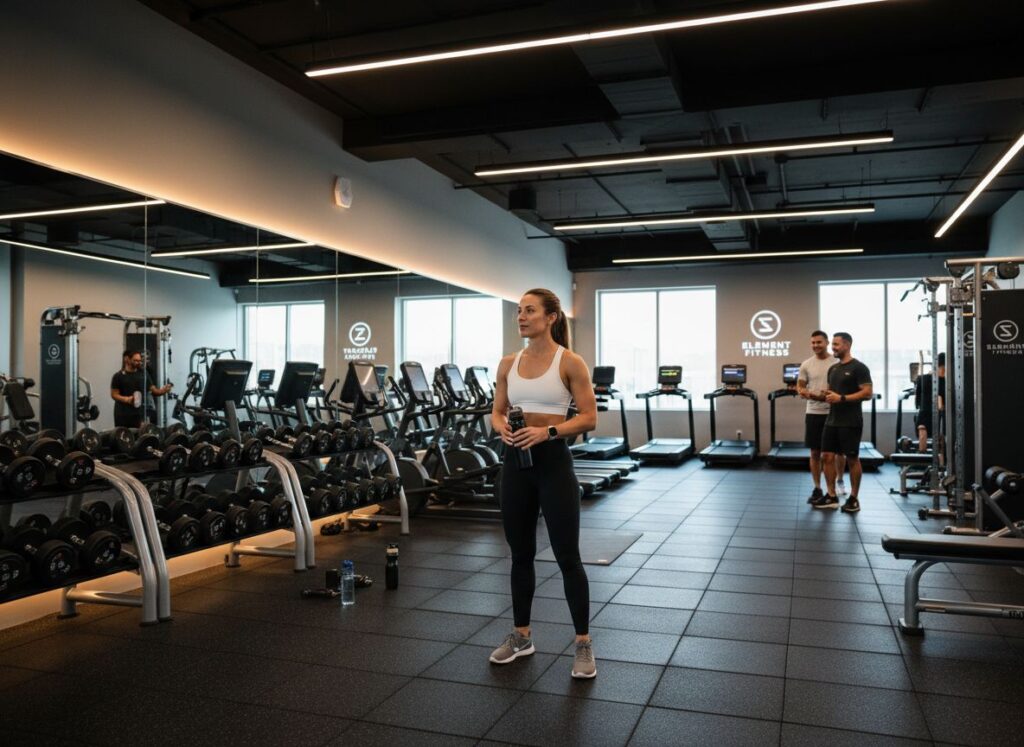
Choosing a gym in New Zealand can feel overwhelming, and with Frontiers | The rise of unmanned and tech-driven gym formats reshaping how fitness facilities operate, understanding the real member experience behind the marketing has never been more important. With hundreds of options across the country—from budget-friendly chains to premium wellness clubs—how do you know which one is right for you? The answer lies in learning to read gym reviews properly. Reviews bridge the gap between a gym’s polished marketing and the real member experience, helping you avoid hidden fees, broken equipment, and unsuitable environments. But not all reviews tell the full story, and knowing what to look for makes all the difference.
That’s where GymMe comes in. As New Zealand’s single, unified search platform, GymMe connects you with every gym and personal trainer across the country, bringing together reviews, comparisons, and detailed profiles in one trusted place. Instead of piecing together information from multiple websites, you can make confident, informed decisions faster.
This guide will show you exactly how to read gym reviews the right way—what to check, what to ignore, and how to match feedback to your personal fitness goals.
Why Gym Reviews Matter More Than You Think
Gym reviews are your best defence against wasting time and money on the wrong fitness facility. In New Zealand’s diverse fitness market—where memberships range from $10 a week at budget chains to over $60 at premium wellness clubs—reviews reveal what glossy brochures and Instagram posts won’t. They expose hidden induction fees, key tag charges, and difficult cancellation policies that can turn an affordable-looking membership into a financial headache.
For beginners, reviews provide a low-stakes way to assess whether a gym feels welcoming or intimidating. You’ll discover if staff members help with form corrections or ignore new members entirely. For experienced lifters, reviews offer technical details: the maintenance level of equipment, the availability of squat racks during peak hours, and whether chalk is allowed. These insights save you from signing a 12-month contract only to find the gym doesn’t meet your needs.
Post-pandemic, Kiwis have heightened expectations for cleanliness and safety. Reviews now frequently mention sanitising stations, the frequency of deep cleans, and whether spray bottles are consistently stocked. If multiple members complain about mould in the showers or broken equipment left unrepaired for weeks, you’re seeing red flags that official gym websites will never advertise.
“Reviews are the unfiltered truth about a gym’s day-to-day operations. They tell you what management won’t—from billing surprises to equipment maintenance issues.”
GymMe centralises reviews and gym information across New Zealand, eliminating the frustration of visiting multiple platforms. Instead of cross-referencing Google Maps, Facebook, and individual gym websites, you can compare facilities side by side, read patterns in feedback, and make decisions based on comprehensive, up-to-date information. Reading reviews properly isn’t just about avoiding bad gyms—it’s about finding the right fitness home faster and with confidence.
Look Beyond the Star Rating: What to Actually Check
A five-star rating might look impressive, but it doesn’t tell you whether a gym suits your needs. Star ratings are a starting point, not the full picture. What matters more is the recency and frequency of reviews. A gym with a 4.5-star rating based on feedback from three years ago may not reflect current reality. Management changes, equipment deterioration, or shifts in membership culture can drastically alter the experience. Look for a steady stream of recent reviews—this velocity suggests an active, engaged membership and a management team that values feedback.
Pay attention to the spread of ratings. A gym with mostly five-star and one-star reviews (a bimodal distribution) often indicates a polarising environment. Perhaps the equipment is excellent, but customer service is poor, or the facilities are clean but billing practices are predatory. Conversely, a tight cluster of four- and five-star reviews suggests consistency across the board—what you see is likely what you’ll get.
The real value lies in reading the actual content of reviews. Generic praise like “Great gym!” offers little insight. Instead, look for detailed feedback that mentions specific aspects:
- “The equipment is top-notch, but the music is too loud in the mornings”
- “The staff are friendly, but parking is a nightmare during peak hours”
- “Clean facilities and well-maintained machines, though it gets crowded after 5 PM”
These nuanced observations help you understand what the gym does well and where it falls short. GymMe’s comparison tools help you filter reviews by what matters most to you, whether that’s equipment variety, class schedules, or childcare facilities. By focusing on patterns rather than isolated opinions, you’ll get a clearer, more accurate picture of what each gym truly offers.
Search for Keywords That Match Your Needs
Not all reviews are relevant to your situation. A competitive powerlifter’s five-star review praising heavy-duty platforms and chalk availability means little if you’re looking for beginner-friendly group classes. That’s why searching for specific keywords within reviews is essential.
Use the “search within reviews” function (available on Google Maps and other platforms) to find terms that match your priorities:
- Parents: Search for “childcare,” “kids’ area,” or “family-friendly”
- Shift workers: Look for “24/7 access,” “late-night availability,” or “early morning hours”
- Strength trainers: Search for “squat rack,” “free weights,” “powerlifting equipment,” or “Olympic bars”
- Group fitness enthusiasts: Find “class variety,” “yoga,” “spin,” or “instructor quality”
In New Zealand, location-specific concerns often appear in reviews. Auckland and Wellington gym-goers frequently mention parking challenges, while those in smaller cities might highlight commute times or public transport access. Seasonal comfort is another Kiwi-specific factor—reviews may note whether a gym becomes uncomfortably hot in February or feels like a fridge in July without adequate heating.
GymMe’s platform helps you filter reviews by what matters most to your lifestyle and fitness goals. Whether you’re searching for “beginner-friendly,” “women-only hours,” or “rehabilitation support,” you can quickly identify gyms that align with your needs. Different fitness goals require different keyword searches—powerlifters need to know about specialty bars and platform availability, while yoga enthusiasts care more about class variety and instructor quality. By searching strategically, you’ll cut through the noise and focus on feedback that genuinely informs your decision.
Spot the Red Flags and Green Lights in Reviews
Knowing what to watch for in reviews can save you from a frustrating gym experience. Consistent complaints about the same issue are serious warning signs. If multiple reviews mention equipment being out of order for weeks, it signals a management team that’s either underfunded or indifferent to member needs. Hygiene issues are another major red flag—repeated mentions of mould in showers, empty sanitising stations, or dirty changing rooms suggest the gym doesn’t prioritise cleanliness.
Common Red Flags to Watch For
| Red Flag | What It Indicates | Example Phrases |
|---|---|---|
| Billing problems | Poor business practices | “Charged after cancellation,” “hidden fees,” “difficult to cancel” |
| Equipment issues | Lack of maintenance | “Machines broken for weeks,” “out of order signs everywhere” |
| Hygiene complaints | Poor facility management | “Mould in showers,” “empty sanitiser stations,” “dirty change rooms” |
| Staff problems | Poor customer service | “Rude reception,” “staff ignore members,” “unhelpful trainers” |
| Overcrowding | Insufficient capacity | “20-minute wait for equipment,” “can’t find space during peak hours” |
Billing problems are among the most common complaints in New Zealand gym reviews. Watch for phrases like “charged after cancellation,” “hidden fees,” or “difficult to cancel membership.” If several reviewers describe high-pressure sales tactics or being locked into contracts they didn’t fully understand, proceed with extreme caution. These patterns indicate a gym that prioritises revenue over member satisfaction.
How a gym responds to negative reviews is equally telling. A professional, empathetic response that offers to resolve the issue privately shows a business that values its members. Defensive, aggressive, or absent responses are warning signs of poor customer service. If management ignores complaints or argues with reviewers, you’ll likely face the same treatment if you encounter problems.
Positive Signs That Indicate Quality
On the positive side, look for green lights that indicate a supportive, well-managed gym:
- Staff engagement: Reviews mentioning staff who correct form voluntarily, offer encouragement, or remember members’ names
- Welcoming atmosphere: Phrases like “judgment-free,” “inclusive,” or “friendly regulars”
- Facility maintenance: Consistent mentions of cleanliness, prompt equipment repairs, and well-stocked amenities
- Transparent pricing: Clear communication about fees, no surprise charges, straightforward cancellation policies
- Community culture: Members helping each other, social events, supportive environment
“A gym’s response to criticism reveals how they’ll treat you when problems arise. Professional, solution-focused responses indicate a business that truly values member satisfaction.”
Peak hour congestion is a practical concern that reviews often address. If multiple reviewers note that you’ll wait 20 minutes for a squat rack after 5 PM, you’ll know to adjust your schedule or choose a less crowded gym. Conversely, reviews praising “plenty of space during early mornings” or “never a wait for equipment” indicate a gym where you can actually use what you’re paying for.
GymMe’s platform helps you cross-reference feedback patterns across multiple reviews, giving you a balanced picture. By identifying red flags early and recognising genuine green lights, you’ll avoid gyms that waste your time and find facilities that support your fitness goals.
Finally, learn to spot fake or incentivised reviews. Sudden clusters of five-star reviews over a short period—especially if they’re vague and generic—often indicate incentivised feedback. Be wary of reviews from accounts with only one review to their name, as these may be fake testimonials. Authentic reviews include specific details about the workout experience, mention both positives and negatives, and come from accounts with a history of reviewing local businesses.
How to Weigh Reviews Against Your Personal Fitness Goals
Not all reviews are equally relevant to your situation. A five-star review from a competitive powerlifter praising heavy-duty equipment and intense atmosphere may be irrelevant—or even off-putting—if you’re starting your fitness path and looking for a supportive, beginner-friendly space. Learning to filter feedback based on your specific fitness level, goals, and lifestyle needs is essential.
For Beginners
If you’re a beginner, focus on reviews that mention:
- Induction sessions and onboarding support
- Staff helpfulness and patience with new members
- Non-judgmental atmosphere and welcoming culture
- Phrases like “great for first-timers,” “patient trainers,” or “no one stares”
- Beginner-friendly classes with clear equipment instructions
Avoid gyms where multiple reviewers describe an intimidating environment, cliquey behaviour, or staff who ignore new members. Your first gym experience should build confidence, not create anxiety—research highlighted by Frontiers | The impact of physical activity on performance and wellbeing shows that a positive early environment significantly shapes long-term engagement with exercise.
For Experienced Gym-Goers
For experienced gym-goers, technical details matter more than general atmosphere. Search for reviews mentioning:
- Equipment brands (Hammer Strength, Eleiko, Life Fitness)
- Chalk policies and powerlifting-friendly rules
- Platform availability and specialty bars
- Free weight selection and rack availability
- Serious lifting culture and training environment
If reviewers complain about limited free weight options or a lack of serious lifting equipment, the gym may not suit your training needs. Conversely, reviews praising “well-maintained equipment,” “plenty of racks,” or “serious lifting culture” indicate a facility that caters to experienced athletes.
For Relocating Professionals
Relocating professionals should use reviews to assess commute practicality and local context beyond just distance. A gym might be two kilometres away, but reviews mentioning “terrible traffic” or “no street parking” might make a gym five kilometres away more convenient. Look for feedback about:
- Peak-hour accessibility and traffic patterns
- Proximity to public transport
- End-of-trip facilities (showers, lockers, hair dryers)
- Whether the gym fits into your work-life schedule
Lifestyle Factors to Consider
Your lifestyle factors—work schedule, family commitments, location—should guide which review aspects you prioritise:
| Your Situation | What to Look For in Reviews |
|---|---|
| Early morning trainer | End-of-trip facilities, hot water reliability, towel service |
| Parent with young children | Childcare quality, hours, staff-to-child ratios |
| Peak hour gym-goer | Equipment availability, congestion levels, wait times |
| Weekend warrior | Weekend class schedules, quieter training times |
| Shift worker | 24/7 access, security, late-night cleanliness |
GymMe’s local gym spotlights and trainer profiles provide richer context that helps you determine if a gym’s strengths align with your personal priorities. By matching review content to your specific goals and circumstances, you’ll find a gym that genuinely supports your fitness path rather than one that simply has a high star rating.
Frequently Asked Questions
How Many Reviews Should I Read Before Making a Decision?
Read at least 15 to 20 recent reviews to identify meaningful patterns rather than isolated opinions. Focus on reviews from the past three to six months, as older feedback may not reflect current management, equipment condition, or gym culture. GymMe’s comparison feature helps you evaluate multiple gyms side by side efficiently, making it easier to spot trends across different facilities without spending hours on research.
What if a Gym Has Mostly Positive Reviews but a Few Really Negative Ones?
Isolated negative reviews may reflect personal disputes or one-off experiences rather than systemic problems. Look for patterns—if ten people complain about the same issue (billing problems, broken equipment, rude staff), it indicates a genuine concern. Check how management responds to negative feedback; professional, empathetic responses offering solutions suggest a business that values members, while defensive or absent responses are warning signs of poor customer service.
Are Google Reviews More Trustworthy Than Facebook Reviews?
Google Maps typically has higher review volume and covers practical aspects like parking, equipment variety, and cleanliness. Facebook reviews are valuable for boutique studios and community-focused gyms where personal connections matter more than facility size. Neither platform is inherently more trustworthy—what matters is reading a range of reviews across sources. GymMe aggregates information from multiple sources, giving you a complete picture without needing to visit each platform separately.
How Can I Tell if Reviews Are Fake or Incentivised?
Watch for these warning signs:
- Sudden clusters of five-star reviews over a short period
- Generic, vague praise like “Great gym!” or “Love it here!”
- Reviews from accounts with only one review to their name
- All recent reviews overwhelmingly positive with no constructive criticism
- Similar phrasing or writing style across multiple reviews
Authentic reviews include specific details about equipment, staff, cleanliness, or atmosphere, and often mention both positives and negatives. Real members write about their actual experiences, not marketing copy.
Should I Trust a Gym’s Response to Negative Reviews?
Professional, empathetic responses that offer solutions or invite the reviewer to discuss the issue privately indicate a business that values member satisfaction. Defensive, aggressive, or absent responses are red flags of poor customer service and rigid management. How a gym handles criticism reveals how they’ll treat you if problems arise. GymMe helps users find gyms with proven track records of member satisfaction and responsive management.
Key Takeaways
- Star ratings alone don’t tell the full story—look for recency, frequency, and patterns in feedback to understand a gym’s current quality and consistency
- Search for keywords that match your specific needs (equipment types, childcare, parking, beginner-friendly) to filter out irrelevant reviews
- Consistent complaints about billing, broken equipment, or poor hygiene are serious red flags; positive patterns around staff helpfulness and community atmosphere are green lights
- Weigh reviews against your personal fitness level and goals—a five-star review from an experienced athlete may be irrelevant if you’re just starting out
- GymMe centralises reviews, comparisons, and gym profiles across New Zealand, eliminating the need to piece together information from multiple sources and helping you make confident, informed decisions faster
Putting It All Together
Reading gym reviews the right way comes down to a few core principles: look beyond star ratings, search for patterns rather than isolated opinions, match feedback to your personal goals, and watch for red flags like billing complaints or poor maintenance. By focusing on recent, detailed reviews and using keyword searches to filter relevant information, you’ll cut through the noise and find a gym that genuinely suits your needs.
GymMe simplifies this entire process by bringing all New Zealand gyms, trainers, and reviews into one trusted platform. Instead of jumping between Google Maps, Facebook, and individual gym websites, you can compare facilities side by side, read comprehensive profiles, and make decisions based on complete, up-to-date information. Whether you’re a fitness beginner looking for a welcoming environment or an experienced gym-goer seeking serious equipment, GymMe helps you find your perfect fitness match.
Use these review-reading skills alongside GymMe’s tools to make confident, informed decisions. Your fitness path starts with choosing the right gym—and now you know exactly how to do it.