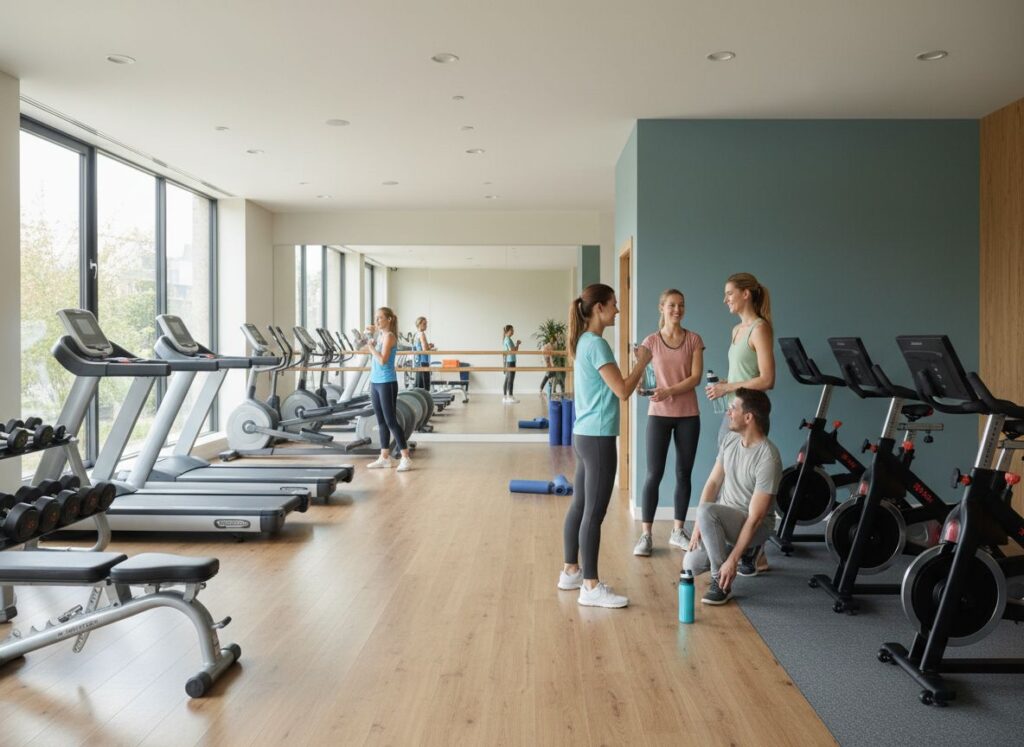
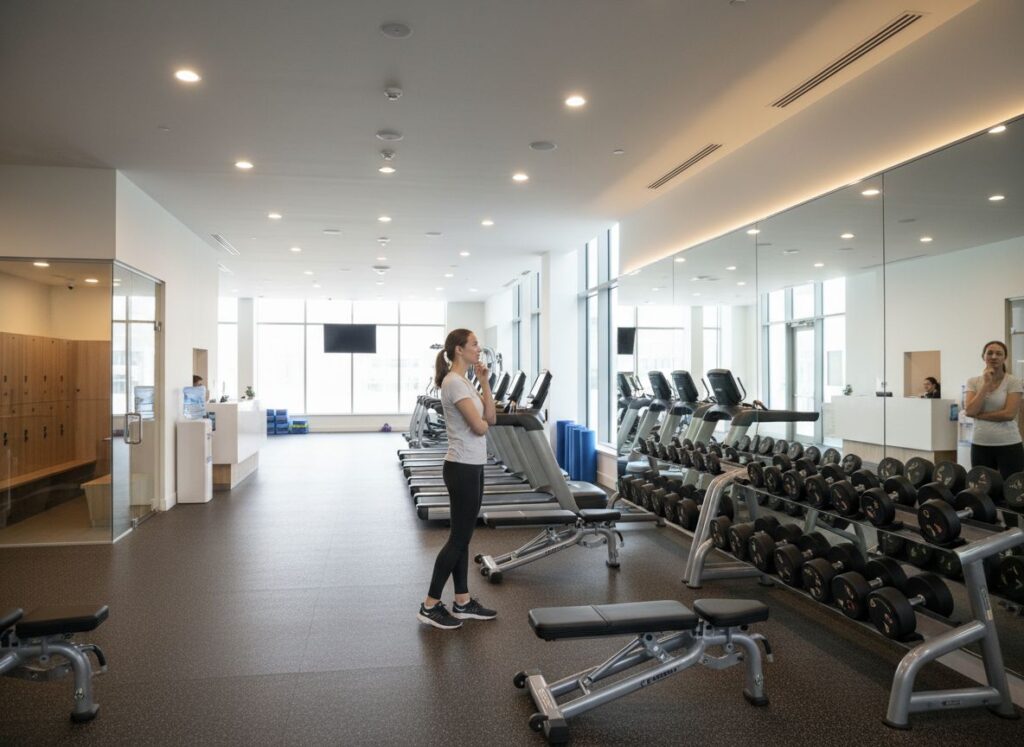
Building a balanced fitness lifestyle isn’t about spending endless hours in the gym or following restrictive meal plans. For New Zealanders, it’s about creating a sustainable approach that weaves physical activity, smart nutrition, recovery, and mental wellbeing into the rhythm of everyday life. Whether you’re juggling work commitments, family responsibilities, or simply trying to make the most of our stunning outdoor environment, balance means finding a fitness routine that enhances your life rather than dominating it.
A balanced fitness lifestyle rejects the “all or nothing” mentality that leads so many Kiwis to burn out after a few intense weeks. Instead, it embraces consistency, variety, and flexibility. It’s about training your body to be strong and capable, fuelling it with quality whole foods, allowing it time to recover, and maintaining the mental resilience to keep showing up week after week. This approach isn’t just more enjoyable—it’s the only one that works long-term.
The good news? Building this balance doesn’t require perfection or expensive equipment. It requires understanding the core pillars of fitness, making informed choices about your training environment, and having the right support network. Platforms like GymMe make this process easier by connecting you with gyms, studios, and personal trainers across New Zealand that align with your specific goals and lifestyle needs.
Let’s explore how to build a fitness lifestyle that actually sticks.
Key Takeaways
A balanced fitness lifestyle integrates movement, nutrition, recovery, and mental wellbeing into a sustainable routine that fits your life. Consistency beats intensity every time—three workouts per week maintained over months will always outperform six weeks of daily training followed by burnout. Finding the right fitness environment matters enormously, whether that’s a supportive gym, a boutique studio, or a qualified personal trainer who understands your goals. Recovery and rest aren’t optional extras—they’re where your body actually adapts and grows stronger. GymMe helps Kiwis discover gyms and trainers suited to their lifestyle needs, with comparison tools and educational resources to support informed decisions.
What Does a Balanced Fitness Lifestyle Actually Mean?
A balanced fitness lifestyle means integrating physical activity, nutrition, mental wellbeing, and recovery into your daily routine in a way that’s sustainable for the long haul. It’s not about perfection or extreme dedication—it’s about creating habits that support your health without taking over your entire life.
For New Zealanders, this balance often involves navigating work commitments, family time, and our natural inclination to enjoy the outdoors. It means moving away from the “all or nothing” thinking that has you either training six days a week or doing nothing at all. Instead, balance recognises that fitness is a continuous process, not a destination you reach and then abandon.
The holistic approach includes several interconnected elements:
- Your training provides the physical stimulus for strength and endurance
- Your nutrition fuels that training and supports recovery
- Your sleep and rest periods allow your body to adapt and grow stronger
- Your stress management and mental health practices keep you consistent even during challenging periods
- Your social connections—whether through group fitness classes or active pursuits with friends—make the process enjoyable rather than isolating
In the New Zealand context, balance might look like three structured gym sessions per week, a weekend hike in one of our national parks, family bike rides, and enough flexibility to enjoy a barbecue with mates without guilt. It’s about having the fitness to fully participate in life, whether that’s surfing at Raglan, playing touch rugby, or simply keeping up with your kids at the playground.
Balance looks different for everyone based on your current fitness level, goals, and lifestyle constraints. A busy professional might focus on efficient 30-minute workouts before work, while a retiree might enjoy longer, more varied training sessions. A parent might integrate active family time as part of their fitness routine. The key is finding what works for you and what you can maintain consistently.
“Perfect is the enemy of good. A balanced lifestyle acknowledges that some weeks will be busier than others, that you’ll occasionally miss workouts, and that life will sometimes interfere with your plans.”
The difference between someone who maintains fitness for life and someone who cycles through periods of intense training followed by complete inactivity is the ability to return to the routine without guilt or punishment.
GymMe supports this process by helping you find fitness environments across New Zealand that align with your personal definition of balance—whether that’s a 24/7 gym that fits your shift work schedule, a boutique studio with a strong community vibe, or a personal trainer who can design a programme around your specific needs and constraints.
How Do You Build a Training Routine That Covers All the Bases?
Building a training routine that covers all the bases means incorporating different types of movement throughout your week, each serving a specific purpose in your overall fitness development. A well-rounded programme prevents plateaus, reduces injury risk, and ensures your body is capable across multiple domains of fitness.
The mistake many beginners make is focusing exclusively on one type of exercise—running every day, or only lifting weights, or attending the same class repeatedly. While specialisation has its place for advanced athletes, a balanced fitness lifestyle requires variety. Your body adapts to repeated stimuli, which means doing the same thing over and over eventually yields diminishing returns.
A comprehensive routine includes:
- Strength training to build muscle and bone density
- Cardiovascular work to improve heart health and stamina
- Mobility exercises to maintain joint health and prevent injury
- Functional movements that translate to real-life activities
- Dedicated recovery practices to allow adaptation
Each component supports the others—your strength training improves your running economy, your mobility work allows you to lift with better form, and your recovery practices enable you to train consistently without breaking down.
What Types of Exercise Should You Include Each Week?
Strength and resistance training should form the foundation of your routine, ideally performed two to four times per week. This builds lean muscle mass, improves bone density, and supports metabolic health. According to research from the American College of Sports Medicine, resistance training is essential for maintaining muscle mass as we age, with sarcopenia (age-related muscle loss) beginning as early as our thirties without intervention. In New Zealand, this might involve free weights at a local gym, machine-based training, bodyweight exercises at home, or kettlebell flows. The goal is to stimulate muscle protein synthesis and progressively challenge your body over time.
Cardiovascular conditioning should blend Low-Intensity Steady State (LISS) exercise with occasional High-Intensity Interval Training (HIIT). LISS includes activities like beach walks, leisurely cycling, or swimming—sustainable efforts that improve aerobic capacity without excessive stress. HIIT provides efficient metabolic benefits and improves cardiovascular fitness in shorter timeframes, but it places significant demand on your central nervous system. A balanced approach might include two to three cardio sessions per week, with HIIT sessions spaced out to allow adequate recovery. New Zealand’s varied terrain offers perfect opportunities for both—from coastal walks to hill sprints.
Flexibility and mobility work prevents the postural issues associated with desk work and improves your range of motion in both strength and cardio exercises. This includes yoga, Pilates, or dedicated dynamic stretching sessions. Mobility differs from static stretching—it’s the ability to actively control your body through a range of motion, not just passively reaching a position. Even 10 to 15 minutes of mobility work several times per week can significantly reduce injury risk and improve movement quality.
Functional movement training emphasises compound exercises that involve multiple muscle groups working together—squats, lunges, hinges, pushes, and pulls. These movements translate directly to real-life activities like carrying groceries, gardening, hiking uneven trails, or playing with children. Functional fitness makes your gym training applicable to daily life, not just stronger in isolated movements.
Active recovery and rest are where your fitness gains actually occur. Training breaks down muscle tissue; rest rebuilds it stronger. Active recovery involves low-impact activities like swimming, leisurely walks, or foam rolling that promote blood flow to sore muscles without adding mechanical stress. Complete rest days are equally important, allowing your central nervous system to recover from training stress. Without adequate recovery, you risk chronic high cortisol levels, which can lead to stubborn weight gain, poor sleep, and irritability.
How Do You Know If Your Routine Is Balanced?
Signs of a balanced routine include:
- Consistent energy levels throughout the week
- Steady progress without frequent injuries
- The ability to maintain your social life alongside training
- Genuinely enjoying your workouts rather than dreading them
You should feel challenged during training but recovered by your next session. Your performance should gradually improve over weeks and months, whether that’s lifting heavier weights, running faster, or simply feeling more capable in daily activities.
Red flags of imbalance include chronic fatigue that doesn’t resolve with rest, frequent niggles or injuries, dreading your workouts, inability to recover between sessions, or completely neglecting one component of fitness. If you’re constantly sore, struggling to sleep, or losing motivation, your routine likely needs adjustment. Overtraining is as problematic as under-training—both prevent progress.
Listening to your body matters more than rigidly following a programme. If you’re genuinely exhausted, an extra rest day or a lighter session is more productive than pushing through. Beginners should start with three training days per week and gradually build up as their recovery capacity improves. Even experienced athletes benefit from periodisation—varying intensity across weeks and months to allow for adaptation and prevent burnout.
Finding a gym or trainer through GymMe with expertise in programme design can help beginners establish balanced routines from the start. Many facilities offer comprehensive inductions or starter packages that teach proper movement patterns and help you understand how to structure your training week. Personal trainers listed on GymMe can assess your current fitness level, identify weak points, and design a programme that addresses all fitness components while fitting your schedule and recovery capacity.
What Role Does Nutrition Play in a Balanced Fitness Lifestyle?
Nutrition plays a fundamental role in a balanced fitness lifestyle, serving as the fuel that powers your training and the building blocks for recovery and adaptation. It’s not just about weight loss or restriction—it’s about providing your body with the nutrients it needs to perform, recover, and thrive.
The shift from “eating less” to “fuelling better” is necessary for anyone serious about sustainable fitness. Under-eating while over-training is one of the most common mistakes in the fitness world, leading to poor recovery, hormonal disruption, and eventual burnout. A balanced approach matches your caloric intake to your activity levels, with higher carbohydrate intake on high-intensity training days to replenish glycogen stores, and a focus on proteins and healthy fats on rest days to support muscle repair.
New Zealand offers exceptional access to quality whole foods that should form the foundation of a fitness-focused diet:
- Lean proteins like grass-fed beef, lamb, chicken, and fish provide the amino acids necessary for muscle repair
- Seasonal vegetables deliver micronutrients and fibre that support immune function and digestive health
- Complex carbohydrates like kumara (sweet potato), oats, and brown rice provide sustained energy for training
- Healthy fats from avocados, nuts, and olive oil support hormone production and nutrient absorption
The 80/20 rule provides a psychologically sustainable framework for nutrition. Eighty percent of the time, focus on nutrient-dense whole foods that fuel performance and recovery. The remaining twenty percent allows for flexibility—enjoying meals out with friends, having a craft beer, or indulging in a treat without guilt. This prevents the deprivation-binge cycle that ruins so many fitness attempts. Restriction breeds obsession; flexibility breeds sustainability.
Fuelling for performance means understanding that different training days have different nutritional demands. High-intensity training days—whether that’s heavy strength work or interval cardio—require adequate carbohydrates to replenish muscle glycogen. Without sufficient carbs, your performance suffers and recovery is compromised. Rest days or lower-intensity days can emphasise proteins and fats, which support tissue repair without the need for high glycogen stores.
Hydration is particularly important given New Zealand’s high UV levels and our active outdoor culture. Proper hydration affects everything from muscle function to cognitive performance. Water should be your primary source of hydration, with electrolyte supplementation (sodium, magnesium, potassium) during particularly strenuous sessions or hot conditions to prevent cramps and maintain muscle function.
Micronutrients—vitamins and minerals found in colourful produce—support immune function, which is often suppressed by heavy training schedules. Eating a variety of vegetables and fruits provides a broad spectrum of these essential nutrients. While the fitness industry heavily markets expensive supplements, whole foods should always be prioritised. Most people can meet their nutritional needs through a varied, nutrient-dense diet without requiring extensive supplementation.
Many gyms and trainers found through GymMe offer nutritional guidance as part of their service, supporting the holistic approach to balance. Whether that’s a personal trainer who provides meal planning support, a gym that hosts nutrition workshops, or a facility with a registered nutritionist on staff, having access to evidence-based nutritional advice helps you make informed decisions about fuelling your fitness process.
How Important Are Recovery and Mental Wellbeing?
Recovery and mental wellbeing are not optional extras in a balanced fitness lifestyle — they are equal pillars alongside training and nutrition, a finding reinforced by A longitudinal outcome-wide assessment linking life balance with flourishing across 22 countries over two years. Without adequate recovery, your body cannot adapt to training stress, and without mental resilience, you cannot maintain consistency over the long term.
Why Is Sleep and Rest Non-Negotiable?
Sleep is the most effective performance enhancer available, yet it’s often the first thing sacrificed in busy lives. Aiming for seven to nine hours of quality sleep allows for muscle repair, hormonal regulation, and cognitive recovery. During deep sleep, your body releases growth hormone, which drives muscle protein synthesis and tissue repair. Without sufficient sleep, your training efforts are largely wasted—you’re breaking down muscle tissue without giving your body the time it needs to rebuild stronger.
Training breaks down muscle tissue through mechanical stress. Sleep and rest are when the actual adaptations occur—your muscles repair micro-tears, your nervous system recovers from the demands placed on it, and your energy stores are replenished. Skipping rest days or consistently under-sleeping leads to a state of chronic stress, where your body never fully recovers between sessions.
Active recovery promotes blood flow to sore muscles without adding mechanical stress. This includes light walks on the beach, gentle swims, or foam rolling. These activities help clear metabolic waste products from muscles and reduce soreness without requiring significant energy expenditure or adding to your training load. Active recovery days are not “wasted” days—they’re strategic components of a well-designed programme.
The danger of chronic high cortisol from over-exercising combined with work stress cannot be overstated. Cortisol is your body’s primary stress hormone, released in response to both physical and psychological stressors. When cortisol remains elevated chronically, it leads to stubborn weight gain (particularly around the midsection), poor sleep quality, irritability, and suppressed immune function. Rest days help regulate cortisol levels, allowing your body to shift from a catabolic (breakdown) state to an anabolic (building) state.
Quality sleep improves workout performance, decision-making, and motivation. When you’re well-rested, you can lift heavier, run faster, and maintain better form throughout your training session. You’re also more likely to make good nutritional choices and less likely to skip workouts due to fatigue or lack of motivation.
How Does Mental Health Connect to Physical Fitness?
Mental health and physical fitness are inseparable—stress from heavy training and stress from work are processed similarly by your body. Both activate the sympathetic nervous system (your “fight or flight” response) and trigger cortisol release. If you’re constantly in a high-stress state from work and then add intense training on top, your body never gets the signal to rest and recover.
Down-regulating activities help shift your nervous system from sympathetic (stress) to parasympathetic (rest and digest) mode. This includes meditation, deep breathing exercises, or spending time in nature—what researchers call “Green Exercise.” According to studies published in Environmental Science & Technology, exercising in natural environments reduces stress more effectively than indoor exercise, with participants reporting improved mood and reduced anxiety. New Zealand’s landscape offers perfect opportunities for this, whether that’s a walk through native bush, time at the beach, or simply sitting in a local park.
The psychology of consistency over perfection separates those who maintain fitness for life from those who cycle through short-term attempts, with Synergistic enhancement of athletic performance research demonstrating that AI-driven personalised exercise regimens improve both physical outcomes and psychological resilience simultaneously. Viewing fitness as a lifelong process where individual setbacks are data points, not failures, builds the mental resilience necessary for long-term success. Missing a workout or having an off-plan meal doesn’t derail your progress—it’s simply part of being human. The growth mindset approach focuses on learning and adapting rather than achieving perfection.
Mindful movement involves focusing on the mind-muscle connection during exercise rather than distractedly scrolling through your phone between sets. This not only improves the effectiveness of your training—you’ll get better muscle activation and movement quality—but also acts as a form of moving meditation. Concentrating on how your body feels during a squat or being fully present during a run reduces anxiety and increases body awareness.
“Exercise should be a stress management tool, not an additional source of anxiety. If your training is causing more stress than it relieves—whether through obsessive tracking, guilt over missed sessions, or social isolation—your approach needs adjustment.”
A balanced lifestyle views exercise as something that enhances your life, not something that controls it.
Many boutique studios and trainers on GymMe emphasise the mental health benefits of their programmes, creating supportive environments for holistic wellbeing. Whether that’s a yoga studio that incorporates mindfulness practices, a personal trainer who checks in on your stress levels and sleep quality, or a gym with a genuinely inclusive and encouraging culture, the right environment supports both your physical and mental health.
How Do You Choose the Right Gym or Trainer in New Zealand?
Choosing the right gym or trainer is one of the most important decisions you’ll make in building a balanced fitness lifestyle. The “best” facility isn’t necessarily the biggest, cheapest, or closest—it’s the one that aligns with your lifestyle, goals, and values, creating an environment where you’ll actually want to show up consistently.
The right environment significantly impacts adherence and enjoyment. A gym that feels intimidating or doesn’t match your training style will become a source of stress rather than a positive habit. Conversely, a facility where you feel comfortable, supported, and challenged appropriately becomes a place you look forward to visiting.
For beginners, prioritise safety, education, and inclusive culture. Look for facilities that offer comprehensive inductions or introductory personal training packages that teach proper movement patterns and gym etiquette. Seek trainers who are REPs-registered (Register of Exercise Professionals), which provides assurance they meet national standards for safety and knowledge. A good beginner-friendly gym will have staff who are approachable and willing to answer questions, and a culture that welcomes all body types and fitness levels without judgment.
For experienced athletes, consider specialisation options that provide continued challenge without leading to overtraining. This might mean moving from a standard commercial gym to a boutique strength and conditioning facility with specialised equipment, a CrossFit box for community-driven intensity and varied programming, or a Pilates studio to address neglected mobility work. The key is making sure your environment continues to stimulate adaptation without pushing you into chronic fatigue.
What Types of Gyms and Training Environments Are Available?
Different gym types serve different needs and personality types:
| Gym Type | Best For | Key Features |
|---|---|---|
| Big Box Gyms | Self-motivated individuals with irregular schedules | Wide equipment variety, 24/7 access, comprehensive facilities |
| Boutique Studios | Those who thrive on community and structure | Specialised classes, strong social connections, high accountability |
| CrossFit Boxes | People seeking intense, varied workouts with a team atmosphere | Group-driven programming, competitive elements, supportive community |
| Personal Training Studios | Individuals wanting customised programmes and one-on-one attention | Bespoke programming, technical guidance, injury rehabilitation |
| Outdoor/Community Fitness | Budget-conscious individuals who enjoy training in nature | Boot camps in parks, sports clubs, cost-effective options |
Trial passes are invaluable for testing equipment, commute time, and facility “vibe” before committing to a membership. Most reputable gyms offer a free trial day or week. Use this time to visit during the hours you’d normally train, assess whether the equipment you need is available, and gauge whether the culture feels welcoming. Pay attention to cleanliness, equipment maintenance, and how staff interact with members.
Gym intimidation is real, particularly for beginners who worry they need to be “fit” before joining a gym. Professional facilities in New Zealand increasingly focus on inclusive cultures that welcome all body types and fitness levels. Look for gyms that prominently feature diverse member success stories, have staff who actively engage with members rather than staying behind the desk, and maintain a supportive rather than competitive atmosphere.
GymMe serves as New Zealand’s fitness discovery platform, allowing users to search, compare, and find gyms, studios, and personal trainers suited to their specific needs. The platform features comparison tools that let you evaluate multiple facilities side-by-side, looking at factors like location, pricing, equipment, class offerings, and member reviews. GymMe provides educational content to support informed decisions, helping you understand what to look for in a gym or trainer based on your goals and experience level.
GymMe’s specialty category pages—including Yoga, Cardio, F45, and Strength Training—allow for personalised matching based on your preferred training style. If you know you want to focus on strength development, you can browse facilities that specialise in that area. If you’re interested in trying F45’s high-intensity group workouts, you can find and compare F45 studios across New Zealand.
Trainer certification information, like the NZ Certificate in Exercise Level 4, helps users identify qualified professionals who meet industry standards. This transparency builds trust and provides assurance you’re working with someone who has the knowledge to design safe, effective programmes. GymMe’s trainer comparison tools let you evaluate multiple personal trainers based on their qualifications, specialisations, pricing, and availability before booking a session.
Wrapping Up
Building a balanced fitness lifestyle is about creating a sustainable rhythm that integrates movement, nutrition, recovery, and mental health into your daily life. It’s not about perfection or extreme dedication—it’s about consistency, variety, and finding an approach that enhances your quality of life rather than dominating it.
Balance looks different for everyone and evolves over time as your circumstances, goals, and fitness level change. What matters is establishing habits you can maintain for years, not weeks. Small, consistent actions—three workouts per week, prioritising whole foods most of the time, getting adequate sleep, managing stress—create lasting lifestyle change far more effectively than short bursts of intense effort followed by burnout.
The right support environment makes all the difference. Whether that’s a gym with equipment that matches your goals, a boutique studio with a strong community vibe, or a personal trainer who understands your lifestyle constraints, having the right fitness environment removes barriers and makes consistency easier.
Starting small is better than waiting for the “perfect” moment. You don’t need to have everything figured out before taking the first step. Begin with manageable commitments—perhaps three training days per week and focusing on one nutritional improvement—and build from there as these habits become automatic.
Remember that fitness should enhance your life, not dominate it. A truly balanced lifestyle allows you to enjoy social occasions, take holidays without guilt, and adapt to life’s inevitable disruptions without falling apart. It’s about being fit enough to fully participate in life—whether that’s hiking New Zealand’s stunning trails, playing with your kids, or simply feeling energised and capable in your daily activities.
Explore GymMe to discover gyms, studios, and personal trainers across New Zealand that align with your balanced fitness goals. Use GymMe’s comparison tools to evaluate your options, read educational resources to make informed decisions, and find the fitness environment that will support your process for the long term.
Frequently Asked Questions
How Many Days a Week Should I Exercise for a Balanced Fitness Lifestyle?
Most people seeking balance should aim for three to five days of structured exercise per week. A sample week might include three days of strength or resistance training, two days of cardio or mixed activity, and two days of rest or active recovery. Beginners should start with three days and gradually increase as their recovery capacity improves. Daily movement like walking or stretching is beneficial even on rest days, but structured training should be spaced to allow adequate recovery. Consistency at a moderate frequency beats sporadic intense training—three workouts per week maintained for months will always outperform six weeks of daily training followed by burnout.
What Should I Do if I Miss a Workout or Have a Bad Eating Day?
Simply return to your routine the next day without guilt or “punishment” workouts. One missed workout or off-plan meal does not derail your progress—it’s part of being human. Balance means flexibility and resilience, not perfection. Life happens—work deadlines, family commitments, illness, or simply needing extra rest are all valid reasons to adjust your plan. Viewing setbacks as normal parts of the process rather than failures is what separates those who maintain fitness for life from those who cycle through short-term attempts. The ability to return to your routine without drama or self-punishment is a hallmark of a truly balanced approach.
How Long Does It Take to See Results from a Balanced Fitness Routine?
Results vary based on your starting point and goals, but realistic timelines include:
- Energy and mood improvements: 1-2 weeks
- Noticeable strength gains: 4-6 weeks
- Visible body composition changes: 8-12 weeks of consistency
Sustainable results take time—rapid changes often aren’t maintainable and usually involve unsustainable methods. Progress isn’t always linear; some weeks will show more improvement than others. Focus on performance metrics like increased strength, improved endurance, or how you feel rather than just aesthetic changes. Celebrate non-scale victories like sleeping better, having more energy, or being able to play with your kids without getting winded.
Do I Need Supplements to Maintain a Balanced Fitness Lifestyle?
Whole foods should always be the foundation of your nutrition. Most people can meet their nutritional needs through a varied, nutrient-dense diet without requiring extensive supplementation. Certain supplements may be helpful in specific contexts—protein powder for convenience when whole food sources aren’t available, vitamin D during New Zealand winters when sun exposure is limited, or omega-3s if you’re not regularly eating fish. Consult with a healthcare professional or registered nutritionist before adding supplements to your routine. Be wary of expensive supplement stacks marketed by the fitness industry as “essential”—they’re rarely necessary and often a waste of money.
How Do I Balance Fitness with a Busy Work Schedule and Family Life?
Time is the most common barrier for New Zealanders, but balance is still achievable with strategic planning. “Micro-workouts” of 15 to 20 minutes can maintain momentum during particularly busy periods—consistency in small doses beats sporadic long sessions. Schedule workouts like important meetings, creating non-negotiable calendar blocks that protect your training time. Early morning or lunchtime training can preserve evening family time. Involving family in active pursuits like weekend hikes, bike rides, or beach activities counts toward a balanced lifestyle while strengthening relationships. Finding a gym close to home or work through GymMe reduces commute barriers, making it easier to fit training into tight schedules.
What’s the Difference Between Overtraining and Training Hard?
Overtraining manifests as:
- Chronic fatigue that doesn’t resolve with rest
- Declining performance despite continued effort
- Persistent muscle soreness
- Mood changes and irritability
- Elevated resting heart rate
- Frequent illness
- Sleep disturbances
Training hard, by contrast, involves temporary fatigue that resolves with rest, progressive strength and endurance improvements, and maintained enthusiasm for workouts. Overtraining results from inadequate recovery relative to training stress—you’re breaking down faster than you’re building back up. Track subjective feelings like energy levels, motivation, and sleep quality alongside objective metrics like workout performance. Deload weeks with reduced volume or intensity every four to six weeks help prevent overtraining. Experienced trainers found through GymMe can help monitor and adjust training loads appropriately, providing assurance you’re challenged without being chronically fatigued.