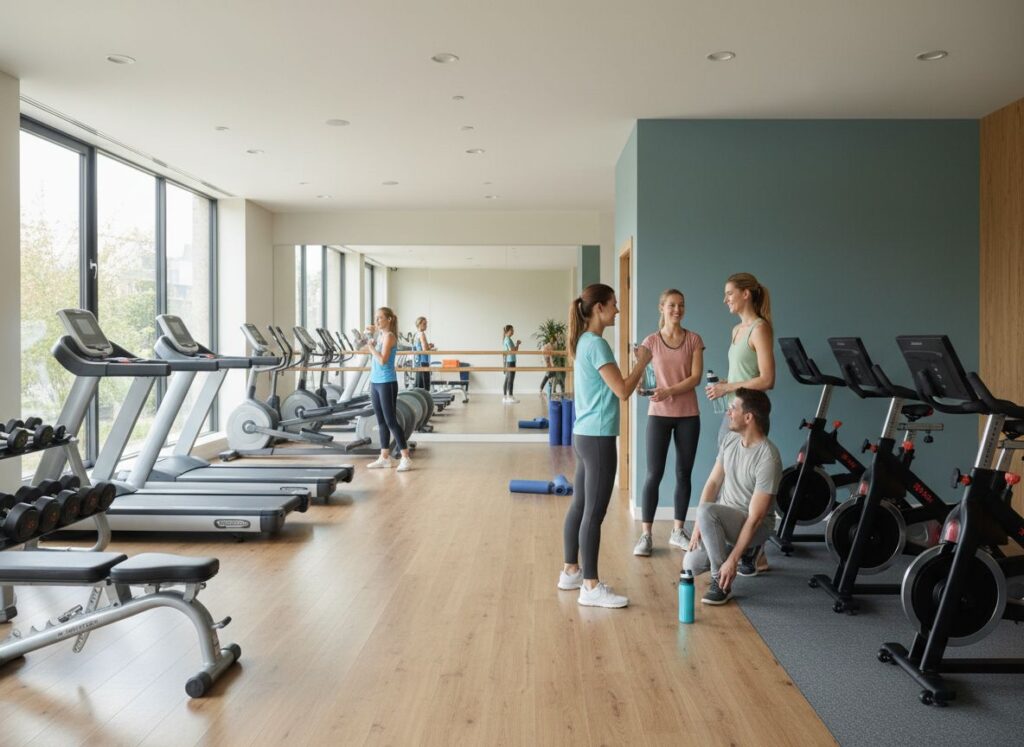
Choosing the right gym can feel overwhelming. With so many options across New Zealand, from budget 24/7 chains to premium boutique studios, how do you know which one truly suits your needs?
The answer lies in understanding what matters most to you. Location, cost, facilities, and culture all play a role in whether you’ll stick with a gym long-term or let your membership gather dust.
That’s where GymMe comes in. Instead of bouncing between gym websites, Google searches, and Facebook pages, GymMe brings every gym and personal trainer in New Zealand into one unified platform. Whether you’re in Auckland, Wellington, Christchurch, or a regional town, you can compare options side-by-side, read verified reviews, and find the perfect fit for your fitness goals.
This guide will walk you through the essential factors to consider when searching for a gym, how to use GymMe to simplify your search, and what to look for during trial visits. By the end, you’ll have a clear roadmap to finding a gym you’ll actually use.
Let’s get started.
Key Takeaways
Before diving into the details, here are the core insights you’ll gain from this guide:
- Finding the right gym requires balancing location, cost, facilities, and personal fitness goals — there’s no one-size-fits-all answer.
- New Zealand offers diverse gym options, from budget 24/7 chains like Jetts to premium facilities like Les Mills and specialist studios like F45.
- GymMe brings every gym and personal trainer in New Zealand into one searchable platform, eliminating the frustration of scattered research.
- Trial periods and facility tours are essential before committing to a membership — never sign a long-term contract without experiencing the gym firsthand.
- The best gym is the one you’ll actually use consistently, which means it needs to align with your schedule, preferences, and comfort level.
What Makes a Gym Right for You?
The “best gym near you” isn’t necessarily the most expensive, the closest, or the one your friend swears by. It’s the gym that matches your specific needs, goals, and lifestyle.
Different fitness goals require different environments. If you’re focused on building strength, you need a facility with multiple squat racks, deadlift platforms, and heavy dumbbells. If you thrive on group energy, a gym with extensive class schedules — think BodyPump, yoga, or HIIT — will keep you motivated. If you’re recovering from an injury or managing a health condition, you’ll want access to qualified trainers who understand exercise science and can provide guidance specific to your situation.
“The right gym reduces friction between intention and action. If getting there feels inconvenient or uncomfortable, you won’t go.” — Fitness Industry Expert
Personal preferences matter just as much as equipment. Consider these questions:
- Are you a morning person who prefers to train at 5:30 AM, or do you hit your stride after work?
- Do you feel energised by loud music and a high-energy atmosphere, or do you prefer a quieter, more focused environment?
- Do you want a community feel where you recognise familiar faces, or are you happy training solo?
For beginners, the intimidation factor is real. Walking into a gym for the first time can feel daunting, especially if you’re unsure how to use the equipment or worry about being judged. The right gym for a beginner is one that offers complimentary inductions, has friendly staff on the floor, and creates a welcoming, non-intimidating culture.
Lifestyle factors also shape your decision:
- Frequent travellers: Look for gyms with reciprocal access across multiple branches (like Anytime Fitness or Snap Fitness)
- Parents with young children: Facilities with on-site childcare remove a major barrier
- Shift workers: 24/7 access becomes non-negotiable
The key insight here is simple: the right gym reduces friction between intention and action. If getting to the gym feels inconvenient, uncomfortable, or misaligned with your routine, you won’t go. Honest self-assessment before you start your search will save you time, money, and frustration.
How to Use GymMe to Search for Gyms and Personal Trainers
Traditionally, finding a gym in New Zealand meant juggling multiple tabs — Googling “gym near me,” scrolling through individual gym websites, checking Facebook pages for reviews, and asking friends for recommendations. The process was fragmented, time-consuming, and often left you wondering if you’d missed better options.
GymMe solves this problem by consolidating every gym and personal trainer across New Zealand into one unified search platform. Whether you’re in Auckland’s CBD, a suburb of Wellington, or a regional centre like Napier, GymMe gives you access to the full picture of what’s available nearby.
Getting Started with GymMe
Start by entering your location — either your suburb or postcode. GymMe will generate a list of gyms in your area, complete with detailed profiles that go beyond basic marketing copy. You’ll see information about:
- Facilities and equipment
- Class schedules
- Operating hours
- Membership options
The platform’s filter functions allow you to narrow results based on your priorities. Looking for 24/7 access? Filter for it. Need on-site childcare? Filter for it. Prefer a women-only space or a gym with a sauna? GymMe lets you refine your search to match your specific requirements.
Verified Reviews Make the Difference
One of GymMe’s standout features is its verified reviews. Instead of relying solely on polished marketing language, you can read feedback from real members who’ve trained at the facility. This gives you insight into:
- Cleanliness standards
- Crowding during peak hours
- Staff friendliness
- Overall culture
These details matter most but are hardest to assess from a website alone.
GymMe also integrates personal trainer discovery alongside gym search. If you’re a beginner who knows you’ll benefit from professional coaching, or if you’re looking for specialist guidance (such as pre-natal fitness or sports-specific conditioning), you can find qualified trainers in your area at the same time as you’re evaluating gyms. This makes GymMe a one-stop solution for getting your fitness plan underway.
Because GymMe is built specifically for New Zealanders, all results are locally relevant. You won’t waste time sifting through international listings or outdated information. From Auckland to Invercargill, GymMe provides current, comprehensive options.
Practical tip: Use GymMe to create a shortlist of three to five gyms that meet your criteria. Then, book trial visits at each one. This approach allows you to compare facilities side-by-side and make an informed decision based on firsthand experience, not just online research.
Essential Factors to Evaluate During Your Gym Search
Once you’ve used GymMe to generate a shortlist, it’s time to evaluate each option against a set of practical criteria. These factors directly impact whether you’ll stick with your membership or let it lapse after the first month.
Location and Accessibility
Proximity matters more than most people initially realise. Research consistently shows that if a gym is more than 10 to 15 minutes away from your home or workplace, your attendance rate drops significantly, a pattern supported by machine learning prediction of customer satisfaction trends in fitness centres.
In New Zealand’s major cities — Auckland, Wellington, Christchurch — traffic patterns can turn a short distance into a long commute. A gym that’s 5 kilometres away might take 30 minutes to reach during peak hour. Test the commute during the time you’d actually train, such as 5:30 PM on a weekday, to get a realistic sense of accessibility.
Consider these accessibility factors:
- Parking availability if you’re driving
- Proximity to public transport hubs like Britomart in Auckland or Christchurch’s Bus Interchange
- Safety and convenience of walking or cycling routes
Membership Costs and Contract Terms
Gym memberships in New Zealand typically fall into three pricing tiers:
| Tier | Weekly Cost | Examples | What’s Included |
|---|---|---|---|
| Budget | $10-$18 | Jetts, CityFitness | Cardio machines, pin-loaded weights, free-weight area |
| Mid-Range | $20-$40 | Les Mills, premium independents | Extensive group fitness, higher-end change rooms, recovery zones |
| Boutique | $45+ | F45, CrossFit boxes | Coached sessions, high-energy community environment |
Hidden fees can add up quickly. Most gyms charge:
- Joining fee: $20 to $99
- Key fob or access card fee: $30 to $60 for 24/7 entry
- Direct debit processing: $1 to $2 per transaction via third-party companies like Ezidebit
Understand the difference between fixed-term and no-contract memberships. Fixed-term contracts (typically 12 to 24 months) offer a lower weekly rate but carry heavy exit fees if you need to cancel early. No-contract or flexible memberships cost slightly more per week but allow you to cancel with 10 to 30 days’ notice, providing peace of mind if your circumstances change.
Always ask about cancellation policies, notice periods, and membership hold options. The ability to pause your membership over the Christmas and New Year period is particularly valuable for Kiwis who travel during summer.
Facilities, Equipment, and Operating Hours
Match the gym’s equipment to your specific goals:
- Powerlifting focus: Multiple squat racks, deadlift platforms, heavy dumbbells
- Functional training: Dedicated turf area with sleds, kettlebells, rowers
- Cardio enthusiast: Well-maintained treadmills and ellipticals
Operating hours matter, especially if you work irregular shifts or prefer to train early or late. While 24/7 gyms offer maximum flexibility, traditional gyms may close at 4 PM on Sundays or have restricted hours on public holidays. Confirm the schedule aligns with your routine before committing.
Cleanliness and maintenance are strong indicators of management quality. During your trial visit, check:
- State of changing rooms and showers
- Availability of disinfectant wipes or spray stations
- General odour and ventilation of the workout floor
A well-maintained gym reflects respect for members and a commitment to providing a quality experience.
Gym Culture and Community
Every gym has its own “vibe” — the intangible feel of the space and the people who train there. Some gyms are high-energy with loud music and neon lights, while others are quiet and focused. Some create a strong community feel where members support each other, while others are more transactional.
The culture matters because a gym where you feel intimidated, out of place, or uncomfortable is a gym you’ll eventually stop attending. Visit during peak hours (typically 5:00 PM to 7:00 PM on a weekday) to assess the atmosphere, crowding, and member demographics. Do people seem friendly and supportive, or is it a “mirror-heavy” culture where everyone keeps to themselves?
Finding a community of like-minded individuals can significantly boost your accountability and enjoyment, as research into exploring the psychological mechanism of fitness centre service quality confirms the strong link between social environment and member loyalty. If you’re a beginner, a gym with a welcoming, non-judgmental culture will make a huge difference in your confidence and consistency.
Making the Most of Gym Trials and Tours
Almost every reputable gym in New Zealand offers trial periods, ranging from a one-day pass to a full seven-day trial. You should never sign a long-term contract without physically experiencing the facility at least once.
Strategic Trial Visit Tips
Use your trial period strategically:
- Visit during your planned training time (e.g., 6 AM or 6 PM) to assess crowding and equipment availability
- Check changing room cleanliness and shower facilities
- Test water fountains — are they chilled and filtered?
- Assess ventilation and air conditioning, especially during New Zealand’s hot summer months
Observe how staff interact with members, as studies on perceptions of instructor quality show that staff behaviour is a primary driver of member loyalty and recommendation intentions. Are they welcoming at the front desk? Do trainers on the floor offer help, or are they constantly on their phones? Proactive, friendly staff usually indicate a safer and more supportive training environment.
Questions to Ask During Your Tour
- What’s included in the membership — are all classes free, or do you pay extra for yoga or HIIT?
- Can you access other branches if you travel?
- What are the qualifications of the trainers (look for REPs registration, which confirms they meet New Zealand’s industry standards)?
- What’s the cancellation policy, and how much notice is required?
Take advantage of free inductions or “Success Sessions” offered when you join. These sessions introduce you to the equipment, help you set up a basic programme, and reduce the “gym anxiety” that many beginners experience. Knowing how to use the machines and where to find things makes a huge difference in your confidence and comfort level.
“Trust your gut. If the gym feels right — if you can picture yourself training there consistently and comfortably — that’s a strong signal.”
Finally, trust your instincts. If the gym feels right — if you can picture yourself training there consistently and comfortably — that’s a strong signal. If something feels off, even if you can’t articulate exactly what, keep looking. The right gym should feel welcoming, not stressful.
Frequently Asked Questions
How Much Should I Expect to Pay for a Gym Membership in New Zealand?
Gym memberships in New Zealand typically fall into three pricing tiers. Budget gyms like Jetts or CityFitness charge $10 to $18 per week and offer the basics: cardio machines, weights, and 24/7 access. Mid-range gyms like Les Mills charge $20 to $40 per week and include extensive group fitness programmes, higher-end facilities, and sometimes saunas or steam rooms. Boutique studios like F45 or CrossFit boxes charge $45 or more per week, providing coached sessions and a strong community focus. Council-owned leisure centres often offer the most affordable option, especially for families and Community Services Card holders, with subsidised rates and integrated pool facilities.
What’s the Difference Between a 24/7 Gym and a Traditional Gym?
24/7 gyms like Anytime Fitness, Jetts, and Snap Fitness prioritise convenience and flexibility, a trend explored in depth by Frontiers | The rise of unmanned gyms and their impact on urban fitness landscapes. You receive a key fob that grants access at any time, day or night, which is ideal for shift workers or people who prefer to train early or late. These gyms are often unstaffed during late-night and early-morning hours, relying on surveillance and panic buttons for safety. Traditional gyms like Les Mills or CityFitness typically have set operating hours but offer more amenities, larger spaces, and extensive group fitness programmes. Traditional gyms often have more staff presence on the floor, which can be beneficial for beginners who need guidance or reassurance.
Do I Need a Personal Trainer, or Can I Work Out on My Own?
This depends on your experience level, goals, and confidence. Beginners benefit significantly from at least a few personal training sessions to learn proper form, build a structured programme, and reduce the risk of injury. If one-on-one training feels too expensive (typically $60 to $120 per hour in New Zealand), small group training is an affordable middle ground, costing around $25 to $40 per session. When choosing a trainer, look for REPs (Register of Exercise Professionals) registration, which confirms they meet New Zealand’s industry standards for qualifications and ethics. GymMe makes it easy to find qualified personal trainers alongside gyms, so you can secure both coaching and a facility in one search.
How Do I Know if a Gym Is Clean and Well-Maintained?
Check the changing rooms, showers, and equipment condition during your trial visit. Are the facilities clean and well-kept, or do they feel neglected? Look for the availability of disinfectant wipes or spray stations throughout the gym, which indicate that members are encouraged to clean equipment after use. Observe whether machines are in working order or frequently tagged “Out of Order.” Cleanliness and maintenance reflect management quality and member respect, a finding reinforced by research on the perception of quality and adoption of health-preventive measures among gym-goers in the post-COVID era. A well-maintained gym shows that the owners care about providing a quality experience, while a poorly maintained facility suggests the opposite.
Can I Cancel My Gym Membership if I Change My Mind?
Cancellation policies vary significantly between gyms. Fixed-term contracts (typically 12 to 24 months) often carry exit fees or require payment of the remaining term if you cancel early. Flexible or no-contract memberships typically require 10 to 30 days’ notice and allow you to cancel without penalty. Always get cancellation terms in writing before signing up, and confirm how to cancel — many gyms require a written email or a physical form, and a verbal conversation with a trainer is often not legally binding. New Zealand Consumer Law provides some protection against unfair contract terms, but it’s always better to understand the policy upfront.
What Should I Look for in a Gym if I’m a Complete Beginner?
Prioritise a welcoming, non-intimidating atmosphere where you feel comfortable asking questions and learning at your own pace. Look for gyms that offer complimentary inductions or beginner-focused programmes, which help you understand how to use the equipment safely and effectively. A gym with good staff presence on the floor is valuable for beginners, as you can ask for help or guidance without feeling like you’re interrupting. GymMe’s reviews can help identify beginner-friendly environments, as real members often mention whether the gym is welcoming to newcomers. The best gym for a beginner is one that reduces anxiety and builds confidence, not one that makes you feel out of place.
The Bottom Line
The “best gym near you” is the one that aligns with your goals, schedule, budget, and personality. There’s no universal answer — what works for your friend or colleague might not work for you.
Finding the right gym requires research, honest self-assessment, and trial visits. Consider location, cost, facilities, operating hours, and culture. Use GymMe to eliminate the friction of scattered research by bringing every gym and personal trainer in New Zealand into one unified platform. Create a shortlist, book trials, and experience each facility firsthand before committing.
The hardest part of any fitness plan is starting. But with the right gym and the right tools, success is within reach for every Kiwi. Start your search on GymMe today, shortlist a few options, and take the first step toward your fitness goals. The gym that’s right for you is out there — you just need to find it.