Let’s be honest: starting a fitness routine is exciting, but keeping that momentum going? That’s where most of us stumble. You’re not alone if you’ve signed up for a gym membership full of enthusiasm, only to find yourself making excuses three weeks later. The good news is that staying motivated isn’t about having superhuman willpower—it’s about understanding what drives you and building the right support systems around your goals.
Whether you’re a complete beginner searching for your first gym in Auckland or an experienced lifter who’s just relocated to Wellington, the strategies for maintaining consistent workout habits are surprisingly universal. This guide will walk you through practical, proven methods to keep your fitness routine alive and thriving, from identifying your personal “why” to choosing the right environment and building accountability structures that actually work.
The path to consistent exercise isn’t about perfection—it’s about progress, adaptation, and finding what genuinely works for your lifestyle as a Kiwi.
Key Takeaways
Before we dive deep, here are the core strategies you’ll learn for maintaining workout motivation:
- Define your personal “why” and set SMART goals that create meaningful direction rather than vague intentions
- Choose a gym environment that matches your personality and lifestyle—convenience and atmosphere matter more than you think
- Build accountability through training partners or personal trainers who provide external commitment structures
- Track progress beyond the scale by celebrating non-scale victories like energy levels, sleep quality, and performance improvements
- Embrace flexibility and self-compassion—the 80/20 rule beats perfectionism every time
Why Your “Why” Matters: Setting Goals That Actually Stick
Your reason for exercising is the foundation of everything else. Without a clear “why,” motivation evaporates the moment life gets busy or the weather turns grey. The difference between quitting after six weeks and building a lifelong habit often comes down to whether you’re driven by intrinsic or extrinsic motivation.
Intrinsic motivation is the gold standard. This is when you exercise because you genuinely enjoy the activity itself—the mental clarity after a morning run, the satisfaction of lifting heavier weights, or the calm you feel after a yoga session. These internal rewards create sustainable habits because the activity is its own payoff. Extrinsic motivation, on the other hand, involves external outcomes: looking good for a summer holiday at the Mount, winning a transformation challenge, or avoiding health problems flagged by your GP. While these motivators are excellent for getting started, they often prove fragile once the event passes or the goal is achieved.
The key is bridging the gap between “needing” to exercise and “wanting” to exercise—a dynamic explored in research on The mediating role of academic motivation, which demonstrates how motivation structure significantly shapes persistence and goal achievement. Ask yourself: what do I genuinely value about being active? Is it the energy to keep up with my kids? The stress relief after a demanding workday? The sense of accomplishment? Once you identify your core drivers, translate them into concrete goals using the SMART framework.
- Specific: Instead of “getting fit,” aim to “complete the Tongariro Alpine Crossing without feeling exhausted” or “perform five unassisted pull-ups”
- Measurable: Track your 5km running time around Hagley Park or the weight on the bar during squats
- Achievable: If you haven’t exercised in years, committing to six sessions per week sets you up for failure—start with two or three
- Relevant: Choose activities that resonate with you personally. If you hate running, don’t make a half-marathon your goal just because your mates are doing it
- Time-bound: Assign a deadline to create healthy urgency
“The most common trap for Kiwis is the ‘all-or-nothing’ mentality: missing one workout feels like failure, which spirals into abandoning the routine entirely. Reframe fitness as a lifelong practice where consistency matters more than perfection.”
Beyond outcome goals (losing 10kg, squatting your bodyweight), focus on process goals—the daily actions that make success inevitable. Process goals might include attending the gym four times weekly or hitting a daily protein target. These “micro-goals” provide frequent wins that fuel motivation far better than waiting months to see the final result.
Choose the Right Gym Environment for Your Personality
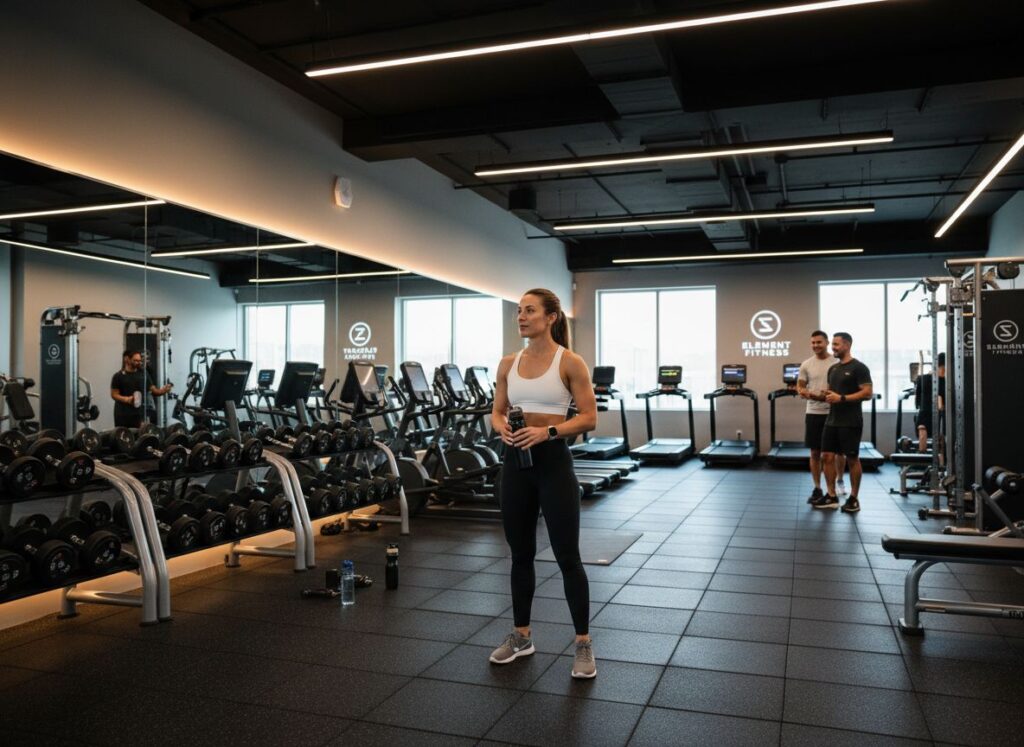
Your gym environment plays a massive role in whether you’ll actually show up. A facility might have state-of-the-art equipment, but if it’s a 30-minute drive across Auckland traffic, you’re unlikely to make the trip on a rainy Tuesday evening. Research consistently shows that people who choose gyms within a 10-minute radius of their home or workplace have significantly higher retention rates. The “convenience factor” isn’t laziness—it’s smart strategy.
Location is just the start. Every gym has a distinct atmosphere, and finding one that matches your personality is significant. High-energy performance centres attract competitive athletes who thrive on intensity and challenge. These environments can be incredibly motivating if you’re experienced and goal-driven. However, for beginners dealing with “gym anxiety,” walking into a hardcore bodybuilding gym can feel intimidating and lead to dropout. Conversely, supportive, inclusive community gyms create welcoming spaces where newcomers feel comfortable asking questions and learning proper form.
Equipment variety and facilities also impact motivation. Modern cardio machines with integrated entertainment, dedicated functional fitness zones, Olympic lifting platforms, or clean recovery suites (saunas, ice baths) can transform the gym from a chore into an experience you look forward to. When workouts feel engaging rather than monotonous, consistency becomes easier.
This is where GymMe’s gym directory becomes invaluable for New Zealanders. Rather than driving around town visiting facilities or relying on outdated Google listings, you can discover and compare gyms, fitness studios, and boutique clubs suited to your specific goals, location, and preferred atmosphere—all in one place. GymMe’s speciality filters for Yoga, Cardio, F45, Nutrition, and Strength Training help you explore workout styles aligned with your interests, making it easier to find the right fit from the start. When you’re genuinely excited about your gym environment, motivation takes care of itself.
Build Accountability Through Community and Professional Support
Humans are social creatures, and isolation is a motivation killer. One of the most powerful tools for staying consistent is social accountability—creating structures where other people are counting on you to show up.
Training Partners and Gym Buddies
A “gym buddy” creates a social contract. When you know a friend is waiting for you at 6:00 AM in the cold, you’re far less likely to hit the snooze button. Training partners provide:
- Encouragement during tough sets
- Healthy competition that pushes you past plateaus
- Someone to celebrate victories with
- Transformation of a solitary task into a social event
The shared experience makes the gym something you look forward to rather than dread.
Group Fitness Classes
Group fitness classes offer a different flavour of accountability. Les Mills programmes, F45 sessions, or local yoga classes create what psychologists call “collective effervescence”—the shared energy and motivation that’s nearly impossible to replicate when training alone. The presence of an instructor removes “decision fatigue” around planning your workout, and the group dynamic provides natural pacing and encouragement. For many Kiwis, the community aspect of group fitness is the primary reason they stay consistent.
Personal Trainers
Personal Trainers (PTs) represent the ultimate accountability tool. A qualified PT provides:
- Expertise to ensure your form is correct and your programme is effective
- Customisation to adjust workouts based on your energy levels or specific injuries
- Accountability—knowing someone has dedicated professional time to your progress is a powerful incentive to show up and work hard
For beginners, PTs build confidence and prevent the injuries that often derail early fitness journeys. For experienced lifters, they provide the technical tweaks and programming necessary to break through plateaus.
GymMe’s Personal Trainer profiles offer certification transparency, including recognised New Zealand qualifications like the NZ Certificate in Exercise Level 4, NZIHF qualifications, and ICREPs international recognition. This helps you identify credible, qualified professionals who can genuinely guide your fitness practice. GymMe’s educational content on comparing trainers before booking sessions helps you make informed decisions that lead to better long-term relationships and sustained motivation.
Track Progress Beyond the Scale and Adapt Your Routine
The scales can be a motivation killer. Weight fluctuates daily based on hydration, sodium intake, hormones, and digestion—and Understand the Changes in motivation at work shows that self-determination theory-based approaches, which emphasise internal progress tracking over external metrics, produce more durable motivational outcomes. If you’re relying solely on the number staring back at you each morning, you’re setting yourself up for frustration. The answer is tracking “Non-Scale Victories” (NSVs)—the tangible improvements that prove your efforts are working.
Non-Scale Victories to Track
| Category | Examples |
|---|---|
| Energy Levels | Sustained focus throughout workday, less afternoon fatigue |
| Sleep Quality | Falling asleep faster, deeper sleep, waking refreshed |
| Physical Performance | Lifting heavier weights, running faster times, better endurance |
| Daily Function | Climbing stairs without breathlessness, playing with kids without exhaustion |
| Clothing Fit | Clothes fitting differently even when weight stays the same |
| Health Markers | Improved resting heart rate, lower blood pressure, better blood work results |
These markers often improve within 2-4 weeks, long before visible physical changes appear (which typically take 8-12 weeks)—a timeline consistent with findings from Parental investments and engagement: research using time-use tracking apps, which demonstrated how granular progress measurement sustains engagement over the long term. When you track diverse metrics, you maintain motivation through the “mid-practice slump”—that frustrating phase when newbie gains slow down and progress feels stagnant.
Overcoming Plateaus with Variety
This plateau phase is where many people quit. The initial rapid progress stops, and suddenly the gym feels like hard work without reward. The antidote is periodisation and variety. Doing the same workout for six months leads to boredom and physical adaptation. Your body becomes efficient at the movements, and your brain loses interest. Switching between strength-focused blocks, hypertrophy (muscle building) phases, or trying completely different disciplines like Brazilian Jiu-Jitsu or Pilates keeps both your body and mind engaged.
The 80/20 Rule
Embrace the 80/20 rule: consistency 80% of the time allows for real life. Family commitments, work stress, Friday nights out with mates—these are part of being human. Perfectionism is a motivation killer. Many people believe that missing one workout or eating one “bad” meal ruins the entire week. This “all-or-nothing” thinking leads to burnout and abandonment. The most successful gym-goers aren’t those who never fail; they’re the ones who return to their routine fastest after disruptions.
“Practice self-compassion over self-criticism. If you miss a week due to illness or a busy period at work, acknowledge it without guilt and simply restart. As explored in The Importance of Motivation in doctoral students, being overly critical of yourself actually decreases motivation and increases the likelihood of complete disengagement.”
Treat yourself with the same kindness you’d offer a friend in the same situation.
Final Thoughts
Staying motivated to work out consistently isn’t about having endless willpower or being naturally disciplined. It’s about building the right framework: a clear purpose that resonates with your values, an environment that makes showing up easy and enjoyable, social structures that hold you accountable, and flexible thinking that allows for the realities of life.
Motivation naturally fluctuates—that’s normal. What carries you through low-motivation periods is the combination of habit, discipline, and supportive structures. When the gym is convenient, when your training partner is waiting, when your PT has your session planned, and when you’re tracking progress that proves your efforts matter, consistency becomes the path of least resistance.
Take the first step by exploring GymMe’s platform to find gyms, trainers, and educational resources tailored specifically for New Zealanders. Whether you’re just starting out or looking for a better-suited facility after relocating, GymMe helps you make informed decisions that set you up for long-term success. Fitness isn’t a temporary project—it’s a permanent, adaptable part of a healthy Kiwi lifestyle. Start building yours today.
Frequently Asked Questions
How Do I Stay Motivated When I Don’t See Results?
Shift your focus from aesthetic changes to performance and wellness improvements. Physical changes typically take 8-12 weeks to become visible, while functional improvements (better sleep, more energy, increased strength) often appear within 2-4 weeks. Take progress photos, measurements, and strength benchmarks rather than relying solely on the mirror. Review your nutrition and recovery habits—these often explain stalled progress. Remember that your body is changing even when the mirror doesn’t immediately reflect it.
What Should I Do If I Lose Motivation After a Few Weeks?
The motivation dip after initial excitement fades is completely normal. Revisit your “why” and adjust your goals if they no longer resonate with your current values or lifestyle. Try a new workout style or gym environment to reignite interest—sometimes a fresh setting makes all the difference. Even on low-motivation days, show up for a short session. Maintaining the habit loop is more valuable than skipping entirely, and often once you’re at the gym, the environment takes over and you complete a full workout.
How Can I Stay Motivated to Work Out in Winter?
Cold, dark New Zealand mornings are a genuine challenge. Reduce morning friction by laying out your gym clothes the night before and packing your bag in advance. Choose a gym close to home or work to minimise travel time in bad weather—convenience becomes even more critical during winter. Remember that exercise provides significant mood-boosting benefits during winter months when seasonal affective patterns are common. The hardest part is getting out the door; once you’re moving, you’ll feel better.
Is It Better to Work Out Alone or With a Partner?
The answer depends on your personality type and goals. Training partners provide accountability, social enjoyment, and healthy competition that can push you past plateaus. They’re ideal if you thrive on social interaction and need external motivation. Solo training works best for people with flexible schedules, specific programming requirements, or introverted personalities who prefer focused, independent work. Try both approaches to discover your personal preference—many people use a hybrid model, training alone some days and with partners or in classes on others.
How Do I Choose Between a Gym and a Personal Trainer?
These aren’t mutually exclusive—many people use both. A personal trainer is most valuable for:
- Beginners needing form guidance and confidence building
- People with specific goals requiring expert programming
- Those who need external accountability to stay consistent
Gym-only memberships work well for experienced exercisers who can design their own programmes, self-motivated individuals who enjoy independent training, and budget-conscious fitness enthusiasts. GymMe’s resources help you compare both gyms and trainers to make informed decisions based on your current needs and goals.