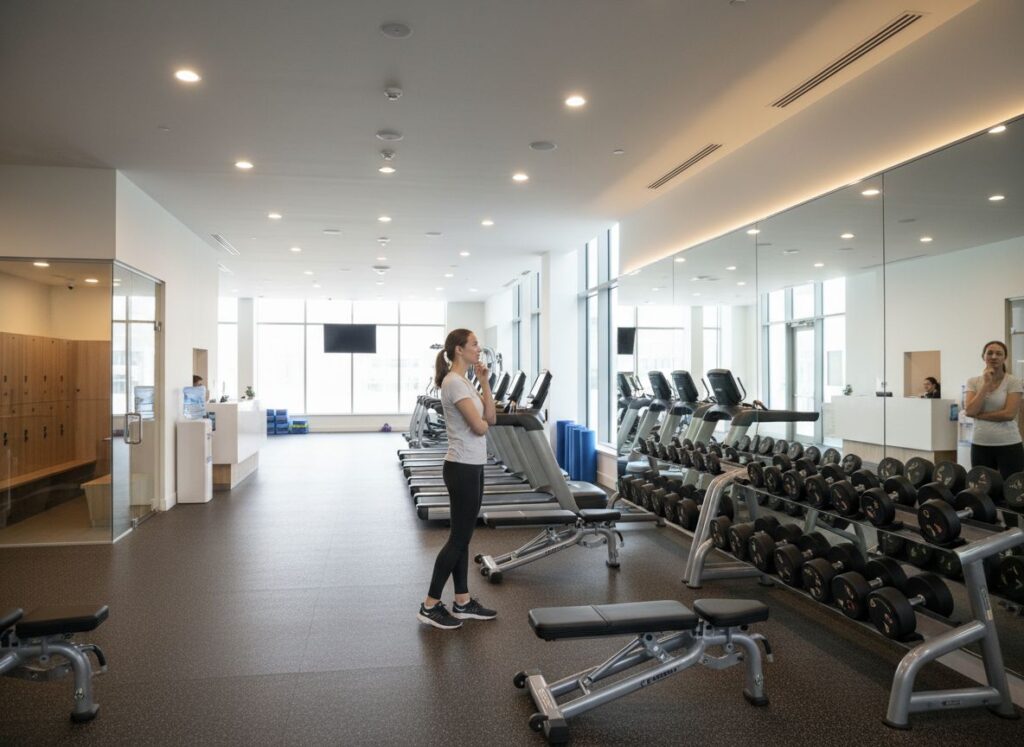
You’ve been hitting the gym consistently, pushing through those tough sets, and giving it your all. But somehow, the results aren’t matching the effort. Sound familiar?
Here’s the truth: better training results don’t just happen in the gym. They’re built in the kitchen, earned in your sleep, and reinforced by the daily habits you practice outside your training sessions. The workout itself is simply the stimulus. The real magic happens when you step away from the weights and give your body what it needs to adapt, grow, and become stronger.
This guide walks you through the essential healthy habits that turn average training into exceptional results. From progressive overload principles to recovery strategies, nutrition timing to the right training environment, you’ll discover the complete picture of what it takes to maximise your fitness progress. Whether you’re a beginner stepping into your first gym or an experienced athlete looking to break through a plateau, these evidence-based habits will accelerate your progress and help you achieve the results you’ve been working toward.
Let’s explore how small, consistent changes in your daily routine can produce significantly better training outcomes.
Key Takeaways
- Progressive overload is the foundation of continuous improvement, requiring systematic increases in training demands over time
- Recovery and sleep are when your body actually builds muscle and adapts to training stress, making them non-negotiable for results
- Nutrition fuels your performance and provides the building blocks for muscle repair, with protein, carbs, and fats each playing distinct roles
- Consistency beats intensity over the long term, with sustainable habits producing far better outcomes than sporadic heroic efforts
- The right gym environment accelerates progress by providing proper equipment, qualified guidance, and a supportive community that keeps you accountable
What Are the Core Habits That Drive Better Training Results?
Better training results stem from understanding a fundamental truth: your workout is only the beginning. When you train, you’re creating a controlled stress that disrupts your body’s equilibrium. The actual improvements happen during the hours and days that follow, when your body repairs, rebuilds, and adapts to handle that stress more effectively next time.
This process follows the General Adaptation Syndrome (GAS), a biological principle that explains how your body responds to training stress. First comes the alarm phase (the workout itself), followed by the resistance phase (recovery and adaptation), and finally the supercompensation phase (where you become stronger). If you train again before adequate recovery, you enter the exhaustion phase, where progress stalls and injury risk increases.
For New Zealanders juggling demanding work schedules, outdoor activities, and gym sessions, understanding this balance between stress and recovery is crucial. You can’t simply train harder and expect better results. You need to train smarter, recover better, and support your body with the right habits outside the gym.
The holistic approach to better training results rests on five interconnected pillars:
- Progressive training stimulus
- Quality nutrition
- Adequate recovery
- Consistent sleep
- A supportive environment
Remove any one of these pillars, and your results will suffer. Master all five, and you’ll see progress that previously seemed impossible.
Progressive Overload: The Non-Negotiable Principle
Your body is remarkably efficient at adapting to stress. Give it the same workout week after week, and it will quickly learn to handle that load without needing to change. This is why progressive overload is the cornerstone of any successful training programme.
Progressive overload means systematically increasing the demands placed on your musculoskeletal system over time. This doesn’t always mean adding more weight to the bar, though that’s certainly one method. You can also:
- Increase the total number of sets or repetitions
- Reduce rest periods between sets
- Improve your exercise technique to increase time under tension
- Progress to more complex movement patterns that require greater coordination and stability
For beginners, linear progression works brilliantly. Add a small amount of weight or a few extra reps each week, and you’ll see steady improvements for months. Experienced lifters need more sophisticated approaches like periodisation, where training intensity and volume fluctuate throughout the week and month to prevent plateaus and manage fatigue.
“Without a training log, you’re simply exercising without direction. Record your weights, sets, reps, and rest periods to ensure you’re actually implementing progressive overload.”
The key is tracking your workouts meticulously. This data confirms you’re actually implementing progressive overload rather than repeating the same workout indefinitely.
The Recovery Equation: Where Results Actually Happen
Here’s a perspective shift that changes everything: you don’t build muscle in the gym. You break it down in the gym. The actual building happens during recovery, when your body repairs the microscopic damage to muscle fibres and overcompensates by making them slightly stronger.
Think of training as making a withdrawal from your body’s recovery account. Each hard session depletes your resources. Recovery is the deposit that replenishes those resources and adds a bit extra. If you keep making withdrawals without adequate deposits, you’ll eventually overdraw the account, leading to overtraining, injury, or illness.
Recovery strategies fall into two categories: passive and active. Passive recovery is complete rest, giving your body time to repair without additional stress. Active recovery involves low-intensity movement like gentle walks along the beach, easy swimming, or restorative yoga. These activities increase blood flow to sore muscles, helping clear metabolic waste products without adding significant fatigue.
Pay attention to your body’s signals. Warning signs that you need more recovery include:
- Persistent muscle soreness beyond 48 hours
- Decreased performance despite adequate effort
- Irritability and mood changes
- Poor sleep quality
- Elevated resting heart rate
How Does Nutrition Support Your Training Goals?
You’ve heard it before, but it bears repeating: you cannot out-train a poor diet. Your body needs specific nutrients in specific amounts to fuel workouts, repair damaged tissue, and build new muscle. Without proper nutrition, even the most perfectly designed training programme will produce mediocre results.
Nutrition for better training results operates on three levels:
| Nutrition Component | Primary Function |
|---|---|
| Macronutrients (protein, carbohydrates, fats) | Provide energy and building blocks |
| Micronutrients (vitamins, minerals) | Act as catalysts for biochemical reactions |
| Hydration | Maintains cellular function and performance |
The beauty of living in New Zealand is our access to exceptional food quality. Grass-fed beef, fresh seafood, locally grown produce, and high-quality dairy products are readily available. This gives Kiwi athletes a natural advantage in fuelling their training effectively.
Timing matters as much as quantity. Eating the right nutrients at the right times maximises their impact on training performance and recovery. Pre-workout nutrition provides energy for the session ahead. Post-workout nutrition kickstarts the recovery process. Daily baseline nutrition maintains overall health and supports long-term adaptations.
Protein: The Building Block of Results
Protein is the foundation of muscle repair and growth. When you train, you create microscopic tears in muscle fibres. Your body uses amino acids from dietary protein to repair these tears, making the muscle slightly larger and stronger in the process.
For optimal results, aim for 1.6 to 2.2 grams of protein per kilogram of body weight daily. A 75-kilogram person should consume between 120 and 165 grams of protein spread throughout the day. This might seem like a lot, but it’s achievable with strategic meal planning.
New Zealand offers outstanding protein sources:
- Grass-fed beef provides complete protein with a superior omega-3 to omega-6 ratio compared to grain-fed alternatives
- Our dairy industry produces world-class whey protein supplements
- Fresh seafood like snapper, salmon, and mussels delivers protein alongside beneficial omega-3 fatty acids
- Plant-based athletes have excellent options, with hemp protein thriving in our climate
Protein timing around training sessions enhances results. Consuming 20 to 40 grams of protein within two hours after training maximises muscle protein synthesis. However, total daily protein intake matters more than precise timing, so focus first on hitting your daily target consistently.
Carbohydrates and Fats: Fuelling Performance
Carbohydrates are your body’s preferred fuel source for high-intensity training. When you perform explosive movements like sprints, heavy lifts, or intense intervals, your muscles rely primarily on glycogen (stored carbohydrate) for energy. Restrict carbs too heavily, and your workouts will feel flat and unproductive.
Complex carbohydrates like kumara, oats, brown rice, and whole grain bread provide sustained energy release. Consume these 2 to 3 hours before training to ensure adequate fuel availability. Simple carbohydrates like fruit or white rice work well immediately post-workout, rapidly replenishing depleted glycogen stores.
Dietary fats play a crucial role in hormonal health, particularly testosterone and growth hormone production. Both hormones are essential for muscle growth and fat loss. Focus on healthy fat sources like avocados, nuts, seeds, and oily fish. New Zealand King Salmon is particularly rich in omega-3 fatty acids, which help reduce exercise-induced inflammation and support recovery.
The key is balance. Don’t fear carbs or fats. Both serve important functions in supporting better training results. Adjust your intake based on your training volume, intensity, and body composition goals, but make sure you’re consuming adequate amounts of both.
Hydration and Micronutrients Often Overlooked
Even mild dehydration significantly impairs performance. Research shows that losing just 2% of your body weight through fluid loss decreases strength, power output, and cognitive focus, as supported by The Effect of Acute dehydration on elite athletes. In New Zealand’s variable climate, from humid Auckland summers to crisp Christchurch winters, maintaining proper hydration requires conscious effort.
Aim for a baseline of 30 to 35 millilitres of water per kilogram of body weight daily. Add another 500 millilitres to one litre for every hour of intense exercise. Your urine colour provides a simple hydration check: pale yellow indicates good hydration, while dark yellow suggests you need more fluids.
Micronutrients act as essential co-factors in energy production, muscle contraction, and recovery processes:
- Magnesium supports muscle relaxation and prevents cramps, yet many Kiwis are deficient
- Zinc is involved in hundreds of enzymatic reactions, including testosterone production and immune function
- Vitamin D is vital for bone health and immune function, but even in sunny New Zealand, many people have low levels during winter months when UV index is insufficient for natural production
Rather than relying heavily on supplements, prioritise whole foods rich in these nutrients. Leafy greens, nuts, seeds, and seafood provide abundant micronutrients. Consider supplementation only after establishing a solid nutritional foundation.
Why Is Sleep the Ultimate Performance Enhancer?
Sleep is where the magic happens. During deep sleep stages, your body releases the majority of its daily growth hormone, the primary driver of muscle repair and growth. Skimp on sleep, and you’re essentially throwing away the hard work you put in at the gym.
Quality sleep supports better training results through multiple mechanisms:
- Consolidates motor learning, helping you master complex movement patterns
- Regulates appetite hormones, making it easier to stick to your nutrition plan
- Reduces inflammation and oxidative stress from training
- Maintains testosterone levels in men and hormonal balance in women
- Enhances cognitive function, improving your ability to push through challenging sets
Research consistently shows that athletes who sleep 7 to 9 hours per night recover faster, perform better, and experience fewer injuries than those who sleep less.
Yet sleep is often the first thing sacrificed when life gets busy. This is a critical mistake if you’re serious about achieving better training results.
Establishing strong sleep hygiene practices makes quality sleep more achievable. Maintain a consistent sleep-wake schedule, even on weekends. Your body’s circadian rhythm thrives on predictability. Limit exposure to blue light from smartphones, computers, and televisions at least one hour before bed. Blue light suppresses melatonin production, making it harder to fall asleep.
Create an optimal sleep environment. Your bedroom should be cool (around 18 degrees Celsius), dark, and quiet. This can be challenging in older New Zealand homes with limited insulation. Investing in blackout curtains and proper insulation isn’t just about comfort; it’s a legitimate fitness investment that pays dividends in better recovery and results.
Winter months present specific challenges with shorter days and longer nights. The reduced daylight exposure can disrupt your circadian rhythm and affect sleep quality. Counteract this by getting natural light exposure early in the day, even if it’s cloudy. A morning walk or outdoor breakfast helps regulate your internal clock.
Active recovery activities support better sleep quality. Light walks, gentle swimming, or restorative yoga increase blood flow to sore muscles without adding significant stress. These activities also help regulate your nervous system, making it easier to wind down in the evening.
How Do You Structure Training for Consistent Progress?
Random workouts produce random results. If you walk into the gym without a clear plan, doing whatever equipment is available or whatever you feel like that day, you’re essentially hoping for progress rather than engineering it. Structured training programmes eliminate this guesswork and create a clear roadmap toward your goals.
Effective training structure operates on three levels: macrocycles, mesocycles, and microcycles. Understanding these concepts transforms your approach from casual exercise to purposeful training that consistently delivers better results.
The challenge many Kiwis face is balancing structured training with New Zealand’s active outdoor culture. You might have a solid gym routine, but then a mate invites you for a weekend tramp in the Tararuas, or the surf is firing at your local break. The key is building flexibility into your structure while maintaining the core principles that drive progress.
Tracking your training is non-negotiable. Whether you use a smartphone app or a physical notebook, recording every workout confirms you’re actually implementing progressive overload. Without data, you can’t distinguish between a productive training cycle and spinning your wheels.
Periodisation: Your Long-Term Roadmap
Periodisation is the systematic planning of training to achieve peak performance at specific times. At its simplest, it means varying your training intensity and volume over time to maximise adaptations while managing fatigue.
| Training Cycle | Duration | Purpose |
|---|---|---|
| Macrocycle | 6-12 months | Big-picture goal and overall plan |
| Mesocycle | 4-6 weeks | Specific adaptation focus (hypertrophy, strength, endurance) |
| Microcycle | 1 week | Daily training schedule and exercise selection |
A macrocycle represents your big-picture goal, typically spanning 6 to 12 months. This might be preparing for summer beach season, training for a specific event like the Coast to Coast multisport race, or simply building a stronger, more capable body over the course of a year.
Within your macrocycle, you have mesocycles: 4 to 6 week training blocks focused on specific adaptations. One mesocycle might emphasise hypertrophy (muscle building) with moderate weights and higher repetitions. The next might focus on strength development with heavier weights and lower repetitions. Another might target muscular endurance or power development.
Microcycles are your weekly training schedules. They detail exactly which exercises, sets, and reps you’ll perform each day. A well-designed microcycle balances training stress across the week, making sure you get adequate recovery between sessions targeting the same muscle groups.
This structured approach prevents the two most common training mistakes: doing too much too soon (leading to burnout or injury) and doing the same thing indefinitely (leading to plateaus). By systematically varying your training stimulus, you keep your body adapting and progressing.
The Power of Tracking Your Workouts
You cannot manage what you do not measure. This business principle applies perfectly to training. Without tracking, you have no objective way to know whether you’re actually getting stronger, adding volume, or simply repeating the same workout week after week.
A proper training log records:
- Weights lifted
- Sets performed
- Repetitions completed
- Rest periods taken
- Subjective measures (how the workout felt, energy levels, any aches or pains)
Over time, this data reveals patterns that guide your programming decisions.
Modern smartphone apps make tracking effortless, with features like automatic rest timers, progress graphs, and exercise libraries. However, a simple notebook works just as well. The tool matters less than the consistency of use.
Beyond workout tracking, monitor body composition changes using multiple methods. Progress photos taken every 4 weeks under consistent lighting conditions reveal visual changes that the scale misses. Body measurements (waist, hips, thighs, arms) track where you’re losing fat or gaining muscle. How your clothes fit provides real-world feedback that matters more than any number.
Performance markers offer another valuable tracking dimension. Are you getting stronger on key lifts? Is your 5-kilometre run time improving? Does your heart rate return to baseline faster after intense sets? These functional improvements often appear before visible body composition changes, providing motivation to stay consistent.
When and Why to Deload
Training hard every single week eventually leads to diminishing returns and central nervous system burnout. Your body accumulates fatigue faster than it can dissipate it, and progress stalls despite continued effort. This is where strategic deload weeks become essential.
A deload week involves reducing your training volume and intensity by 30 to 50% every 4 to 8 weeks. You’re still training, maintaining movement patterns and muscle activation, but giving your body a chance to fully recover from accumulated fatigue.
The counterintuitive truth is that you often return from a deload week stronger than before. This is the super-compensation effect. By allowing systemic fatigue to dissipate while maintaining local muscular adaptations, your body rebounds with improved performance capacity.
Signs you need a deload include:
- Persistent fatigue despite adequate sleep
- Decreased motivation to train
- Nagging aches and pains that won’t resolve
- Performance decreases on exercises you were previously progressing on
Rather than pushing through, a planned deload prevents these issues from becoming serious problems.
What Role Does the Right Gym Environment Play in Your Results?
The environment where you train profoundly impacts your results. A gym with the right equipment, supportive atmosphere, and qualified staff accelerates your progress. The wrong environment can hinder it, no matter how hard you work.
New Zealand’s fitness scene is remarkably diverse, ranging from hardcore powerlifting gyms to boutique yoga studios, from 24-hour commercial facilities to community-focused CrossFit boxes. Each serves different needs and goals. The challenge is finding the environment that best supports your specific training objectives and lifestyle.
Equipment quality and availability directly affect your ability to implement progressive overload. Does the gym have calibrated plates that allow precise weight increases? Are there enough power racks and benches during peak hours, or will you spend half your session waiting? Does the facility have specialised equipment for your training style, whether that’s Olympic lifting platforms, strongman implements, or functional training rigs?
Atmosphere matters more than many people realise. A gym filled with serious, hard-working members subconsciously pushes you to train with higher intensity. This “social contagion” effect is real and powerful. Conversely, a facility where most members are scrolling their phones between sets creates an environment that encourages mediocrity.
Proximity to your home or workplace in cities like Auckland, Wellington, or Christchurch significantly impacts consistency. The best gym is the one you actually attend. A perfect facility 30 minutes away is less valuable than a good facility 5 minutes away if the commute becomes a barrier to regular training.
This is where GymMe becomes invaluable for New Zealanders seeking better training results. Rather than spending hours researching individual gym websites or relying on limited Google reviews, GymMe provides a comprehensive platform to discover and compare gyms across the country. You can filter by location, specialty, equipment, and training style, finding facilities that genuinely match your needs.
GymMe’s trainer profiles help you connect with qualified personal trainers who can accelerate your progress through expert programming, technical coaching, and accountability. Check for REPs (Register of Exercise Professionals) registration, which confirms trainers meet minimum education standards and adhere to ethical guidelines. Look for specialists in your area of focus, whether that’s postnatal fitness, powerlifting, or rehabilitation from injury.
Professional guidance provides three critical advantages:
- Objective programming that addresses your weaknesses rather than just your preferences. Most people gravitate toward exercises they enjoy and are already good at, neglecting areas that need development. A skilled trainer creates balanced programmes that build complete fitness.
- Technical proficiency that maximises exercise effectiveness and minimises injury risk. Incorrect form doesn’t just increase injury risk; it reduces the training stimulus on target muscles. A coach provides real-time feedback and corrections that you can’t get from watching YouTube videos.
- Accountability and psychological support. The “Kiwi stoicism” that serves us well in many areas can work against us in training. We might push too hard when we need rest, or skip sessions when motivation wanes. A trainer provides external accountability and helps you navigate the psychological challenges of long-term training.
New Zealand’s seasonal changes affect training consistency. Winter’s shorter days and colder weather can sap motivation. Shifting to a well-lit, community-focused gym during these months provides the social support needed to maintain consistency. Summer offers opportunities to incorporate outdoor training, refreshing stale routines with beach sprints, park circuits, or hill runs.
How Can You Maintain Motivation and Build Long-Term Habits?
Motivation is fickle. It comes and goes based on your mood, energy levels, and external circumstances. Relying solely on motivation to drive your training is a recipe for inconsistency. Better training results come from building strong habits that persist regardless of how you feel on any given day.
The difference between successful and unsuccessful trainees isn’t willpower or motivation. It’s systems. Successful trainees create environments and routines that make training the path of least resistance. They remove barriers and friction points that make skipping workouts easy.
SMART goal setting provides direction and measurable progress markers. Specific, Measurable, Achievable, Relevant, and Time-bound goals turn vague aspirations into concrete targets. “Get fit” is not a goal; it’s a wish. “Perform five strict pull-ups by December” is a goal that provides a clear roadmap and allows you to track progress.
Break large goals into smaller milestones. If your main goal is losing 15 kilograms, celebrate each 3-kilogram loss. If you want to deadlift 150 kilograms, acknowledge when you hit 100, then 120, then 140. These small wins maintain motivation during the inevitable plateaus.
Understand the difference between extrinsic and intrinsic motivation:
| Motivation Type | Source | Examples | Sustainability |
|---|---|---|---|
| Extrinsic | External rewards | Looking good for a holiday, impressing others, fitting into old clothes | Works initially but fades |
| Intrinsic | Internal rewards | Feeling strong, mental clarity, mastering challenging movements | Sustains long-term habits |
Find joy in the training process itself, not just the outcomes. If you view exercise as punishment for what you ate or a means to an end, you’ll eventually quit. If you genuinely enjoy the challenge of progressive overload, the meditative quality of a long run, or the camaraderie of group training, you’ll stick with it for life.
The mind-muscle connection enhances training effectiveness and engagement. Rather than mindlessly moving weight from point A to point B, focus intently on the target muscle. Feel it contract and extend. Research shows this internal focus increases muscle fibre recruitment, leading to better results from the same workout.
Training partners and accountability systems dramatically improve consistency. A good training partner pushes you to complete those final challenging reps you might skip alone. They provide a safety net for heavy lifts. They show up even when you don’t feel like it, making it harder to skip sessions.
Group fitness environments take advantage of social contagion. When everyone around you is working hard, you unconsciously increase your own effort. This is why CrossFit boxes, F45 studios, and group training sessions produce such strong adherence. The community becomes a powerful motivator.
GymMe’s review system helps you find gyms with cultures that match your personality. Some people thrive in intense, competitive environments. Others prefer supportive, inclusive spaces. Reading reviews from actual members gives you insight into a gym’s atmosphere before you commit.
Celebrate non-scale victories. Did you sleep better this week? Do you have more energy throughout the day? Can you play with your kids without getting winded? Are you handling work stress more effectively? These quality-of-life improvements are the real benefits of consistent training, even if the scale hasn’t moved.
Adapt your training to support New Zealand’s active outdoor lifestyle. If you love tramping, structure your gym training to build the single-leg strength and core stability needed for carrying packs on uneven terrain. If you surf, include rotational power exercises and shoulder stability work. When your gym training enhances activities you already love, consistency becomes effortless.
Putting It All Together
Better training results don’t come from a single magic habit or secret technique. They emerge from the compound effect of multiple healthy habits working together: progressive training stimulus, quality nutrition, adequate recovery, consistent sleep, and a supportive environment.
The beauty of this holistic approach is that small improvements in each area multiply together. A 10% improvement in training structure, combined with 10% better nutrition, 10% better sleep, and 10% better recovery, doesn’t give you 40% better results. It gives you exponentially better results because these factors interact and amplify each other.
Start with the fundamentals:
- Establish a structured training programme with clear progression
- Hit your protein targets daily
- Prioritise 7 to 9 hours of quality sleep
- Track your workouts and body composition changes
These basics deliver the majority of results.
The right environment accelerates everything. GymMe makes finding that environment simple, whether you’re searching for your first gym, relocating within New Zealand, or seeking a qualified personal trainer to guide your progress. With comprehensive gym listings, detailed trainer profiles, and educational resources, GymMe eliminates the friction between where you are and where you want to be.
Remember that better training results are a marathon, not a sprint. Consistency beats intensity over the long term. The person who trains three times per week for a year will achieve far better results than the person who trains six times per week for two months before burning out. Build sustainable habits, be patient with the process, and trust that small, consistent actions compound into remarkable transformations.
Frequently Asked Questions
How Long Does It Take to See Better Training Results?
Most people notice initial changes within 4 to 6 weeks of consistent training and proper nutrition. These early improvements include better energy levels, improved sleep quality, and feeling stronger during workouts. Visible body composition changes typically appear around the 8 to 12 week mark. Significant transformations require 12 weeks or longer, depending on your starting point and consistency. Strength gains often appear before visible changes, so track performance metrics alongside body composition to maintain motivation during the early phases.
What’s More Important for Results: Training or Nutrition?
Both are essential and interdependent. Training provides the stimulus that signals your body to adapt, while nutrition provides the building blocks and energy for that adaptation to occur. A rough guideline suggests 70% nutrition and 30% training for body composition goals like fat loss. For performance goals like strength or athletic development, the split is closer to 50/50. The key is that neither can compensate for deficiencies in the other. Excellent training with poor nutrition yields mediocre results, as does perfect nutrition without adequate training stimulus.
Do I Need Supplements to Get Better Training Results?
Supplements represent the final 5% after training, nutrition, sleep, and recovery are optimised. They’re not necessary but can provide a marginal edge. Evidence-based options include creatine monohydrate (increases ATP production for power and volume), whey protein (convenient way to hit protein targets), and caffeine (improves focus and reduces perceived effort). Focus on whole foods first, establishing a solid nutritional foundation. Only then consider supplementation to address specific gaps or enhance performance in targeted areas.
How Do I Know If I’m Overtraining?
Warning signs include persistent fatigue that doesn’t improve with rest, decreased performance on exercises you were previously progressing on, irritability and mood changes, poor sleep quality or difficulty falling asleep, elevated resting heart rate, increased susceptibility to minor illnesses, and nagging injuries that won’t heal. If you experience multiple symptoms simultaneously, you’re likely overreaching or overtraining. The solution involves taking a deload week, improving recovery strategies, reassessing training volume, and making sure you get adequate sleep and nutrition. Prevention is easier than recovery from full-blown overtraining syndrome.
Can I Get Better Results Training at Home vs. a Gym?
Both can work depending on your goals, available equipment, and discipline level. Home training offers convenience and eliminates commute time but requires self-motivation and creativity with limited equipment. Gyms provide progressive overload equipment, professional guidance, and community support that accelerates results. Most people achieve better outcomes in gym environments due to the accountability, social motivation, and access to proper equipment. GymMe helps you find gyms that match your specific needs, budget, and training style, making the decision easier.
What’s the Biggest Mistake Beginners Make When Trying to Improve Results?
The most common mistake is doing too much too soon. Beginners often start with excessive training volume and intensity, leading to burnout, injury, or quitting within weeks. Other frequent errors include neglecting recovery and sleep, training without a structured plan, and not tracking progress. The solution is starting with sustainable habits rather than heroic efforts. Train 3 to 4 times per week initially, prioritise consistency over intensity, track your workouts, and allow adequate recovery between sessions. Building a solid foundation of sustainable habits produces far better long-term results than unsustainable bursts of extreme effort.